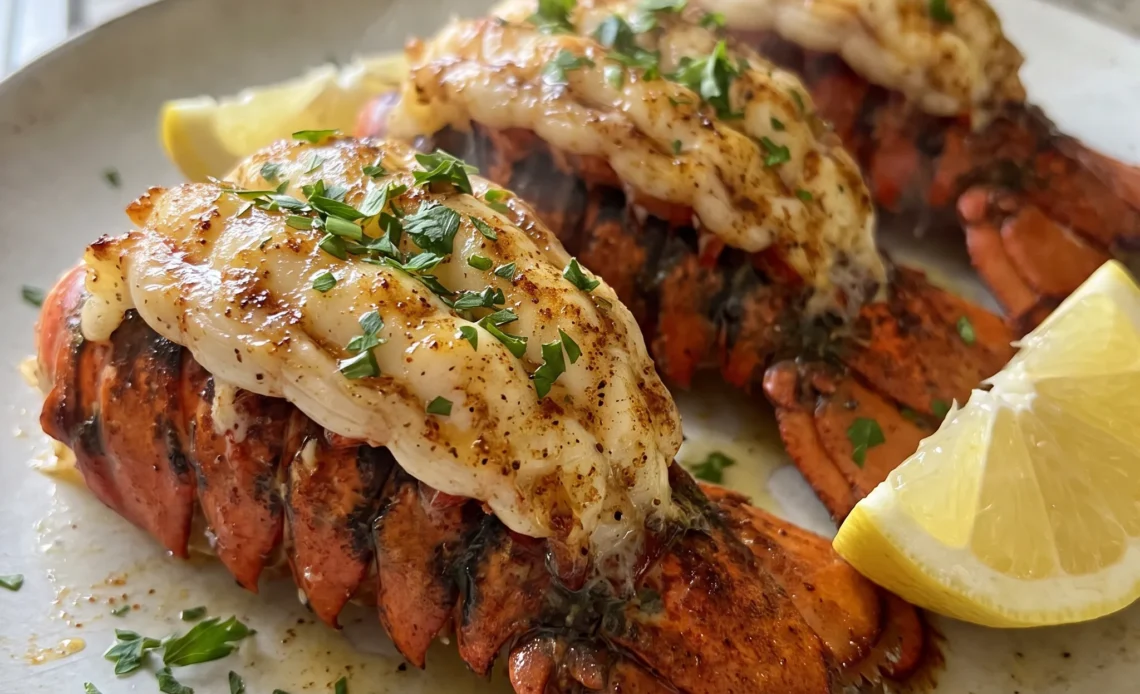
Grilled lobster tails at home are a timing problem more than a shopping one. The flesh goes from translucent to done in a blink, and the basting butter that makes them worth the trouble is also what causes flare-ups. Cut the shell and lift the meat and you get char instead of steam, but now the meat is exposed, drying at the edges while you stand there with a brush.
Get the baste on at the wrong moment and it burns before it glazes. The window between raw and rubbery is narrow, and there’s no fixing it once you’ve gone past.
This isn’t a dish that forgives distraction, but it’s also not a restaurant trick. The whole thing rides on heat you can control, butter that clings, and a quick read of the meat.
Pull it off correctly and the char, the lemon, and the sweet lobster all land at once.
Split the Shell and Lift the Meat for Real Grilled Flavor
When you cut the top shell and pull the meat up to rest on top, you’re not just making it look nice. You’re giving the meat direct contact with the grill grates.
That’s what lets the outside char and the inside stay juicy. Leave the meat inside the shell, and the shell traps moisture and heat, so the lobster steams instead of grills. You’d miss the smoky char and the firm, snappy texture that grilled lobster should have.
With the meat exposed, the lemon butter can baste the flesh directly, soaking in instead of pooling in the shell. The shell becomes a natural cradle, holding the meat so it cooks evenly without falling through the grates. You get a defined crust on the outside, tender meat within, and the butter and lemon penetrate every bite.
This simple prep step is what separates grilled lobster from a steamed version. The result is worth the extra minute it takes to free the meat from the shell.
The Lemon Butter Basting Sauce Does the Heavy Lifting
Melted butter, lemon juice, garlic, and paprika come together before the lobster hits the grill for a reason. This isn’t a marinade that needs time to soak in; it’s a basting sauce that works on contact.
The butter carries the lemon and garlic right into the meat, while the acid in the lemon juice cuts through the richness and keeps each bite bright. Paprika adds a warm color and a gentle smoky note that doesn’t overpower the sweet lobster.
As you brush it on during grilling, the butter melts and glazes the meat, helping it stay moist and building a flavorful crust. The garlic and lemon mingle with the lobster’s natural sweetness, and the paprika gives it that appealing reddish tint. Each component earns its place: butter for richness, lemon for zip, garlic for depth, paprika for a subtle backdrop.
The sauce clings to the meat, so every bite gets the full treatment. That’s how you end up with lobster that tastes seasoned all the way through, not just on the surface.
High Heat, Quick Cook, and Watch It Closely
Lobster tails are lean and cook fast, so the grill needs to be hot enough to char the outside before the inside dries out. Medium-high heat, around 400°F, is the sweet spot.
It gives you a nice crust and keeps the meat tender. Direct grilling over that heat means the meat gets a slight char while staying juicy.
But you have to pay attention. Overcooking is the main risk. The meat goes from translucent to opaque quickly, and if you leave it too long, it turns rubbery and tough.
You’ll know it’s done when the meat is opaque and firm to the touch, with a little spring back. The grill marks should be dark but not burnt.
Stick close by and check after a few minutes. The whole cook takes only 5 to 7 minutes, so there’s no time to walk away. Once the meat is opaque and slightly charred, pull it off.
That’s your signal to serve.
Parsley and Lemon Wedges Bring Fresh Contrast
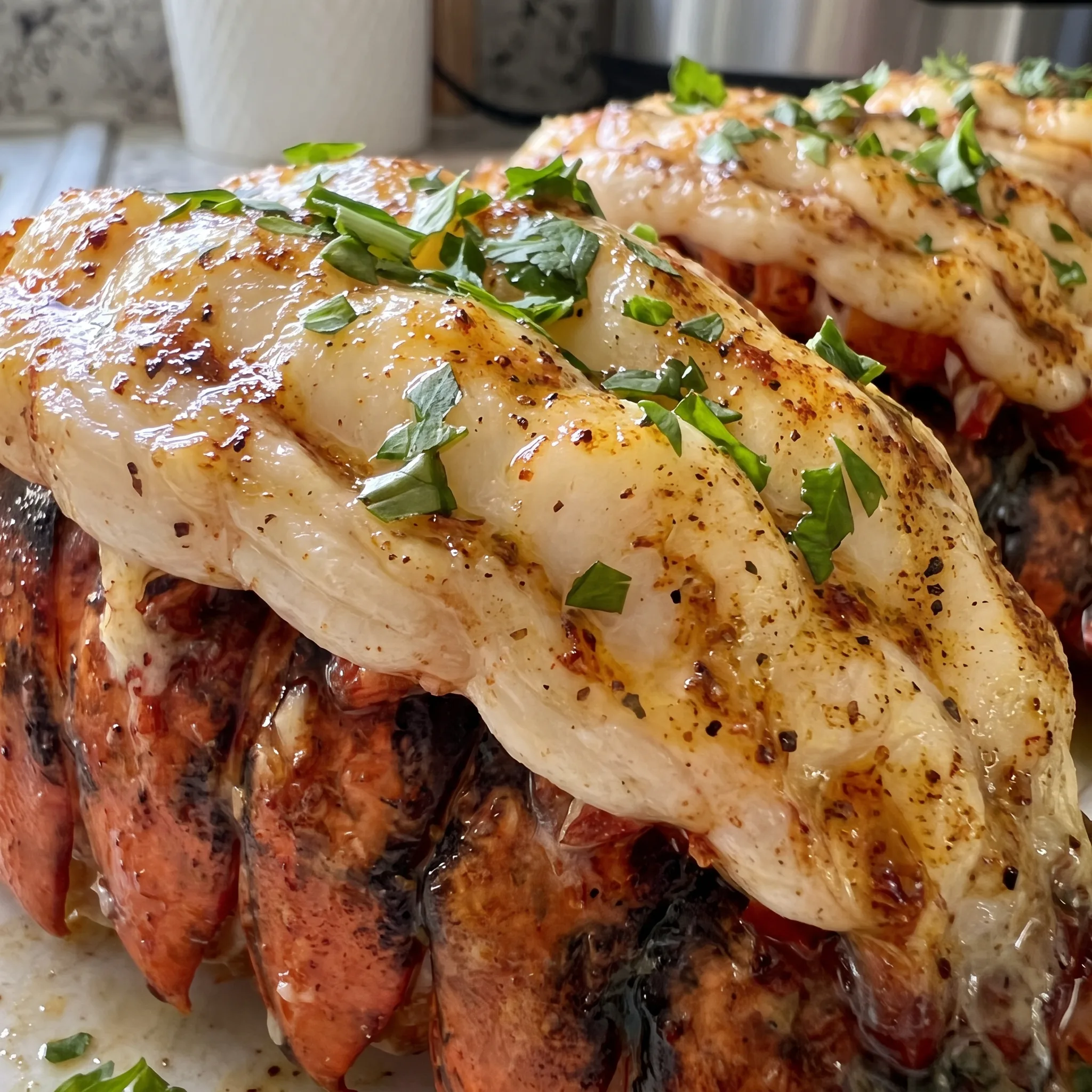
A sprinkle of chopped parsley and a squeeze of lemon at the table might seem like an afterthought, but they’re there to balance the richness of the butter. Raw parsley adds a fresh, grassy note that cuts through the fattiness, and its bright green color makes the plate look alive. Lemon wedges let each person add as much acidity as they want, so every bite can be as bright or as mellow as they like.
Lobster tails are best served immediately after grilling, while the meat is still warm and juicy. As they sit, the butter solidifies and the texture changes, so bring them to the table right away. The parsley and lemon are simple, but they wake up the whole dish.
A final squeeze of lemon over the meat, a scattering of parsley, and you’re ready to eat. That’s the finish that makes the grilled lobster taste complete.
What to Look For When You’re Buying for This Dish
Lobster tails: Go for 6 to 8 ounces each, and ask for cold-water tails if you can, since they’re sweeter and meatier.
Unsalted butter: Skip salted butter here, because the lemon and paprika already bring plenty of flavor and you want to control the salt yourself.
Fresh lemon juice: Squeeze it yourself right before mixing; the bottled stuff tastes flat and won’t brighten the butter the same way.
Garlic cloves: Mince them fresh and use them within a day or two, since pre-minced garlic in a jar has a sharp, stale bite.
Paprika: Sweet Hungarian paprika gives the sauce its warm color without heat, so check the label if you grab a jar marked hot.
Fresh parsley: Flat-leaf parsley has more flavor than curly, and you want it dry before chopping so it doesn’t clump.
The single mistake most cooks make with grilled lobster tails is walking away from the grill, because the meat looks pale and underdone for the first few minutes. But lobster is lean and cooks fast: once the proteins reach about 140°F, they contract and expel moisture, turning the flesh from tender to rubbery in under a minute. The window between opaque and overcooked is extremely narrow, so the meat must be watched continuously and pulled the moment it turns opaque and slightly charred.
How to Tell When Grilled Lobster Tails Are Done, Not Overdone
Reading the meat for doneness
Opaque and slightly charred is the goal, but color alone won’t tell you. Poke the thickest part; it should feel firm with a little spring back.
If it’s still translucent or squishy, give it another minute. Once it’s opaque and firm, pull it immediately.
At this point, the meat is juicy and tender. Wait longer and it turns rubbery, and no amount of butter fixes that.
Judging the char without burning
Grill marks should be dark but not black. If the exterior blackens before the inside turns opaque, the heat is too high. Move the tails to a cooler spot on the grill and continue cooking.
A little char adds flavor; burnt spots taste acrid and can’t be scraped off. Watch for flare-ups from dripping butter and move the tails if flames appear.
Basting at the right moment
Brush with lemon butter halfway through grilling, around the 3-minute mark. Basting too early can cause flare-ups and burn the butter; too late and it won’t have time to glaze.
The butter should sizzle when it hits the meat and cling to the surface. If it pools and runs off, the grill is too cool; if it immediately blackens, the grill is too hot.
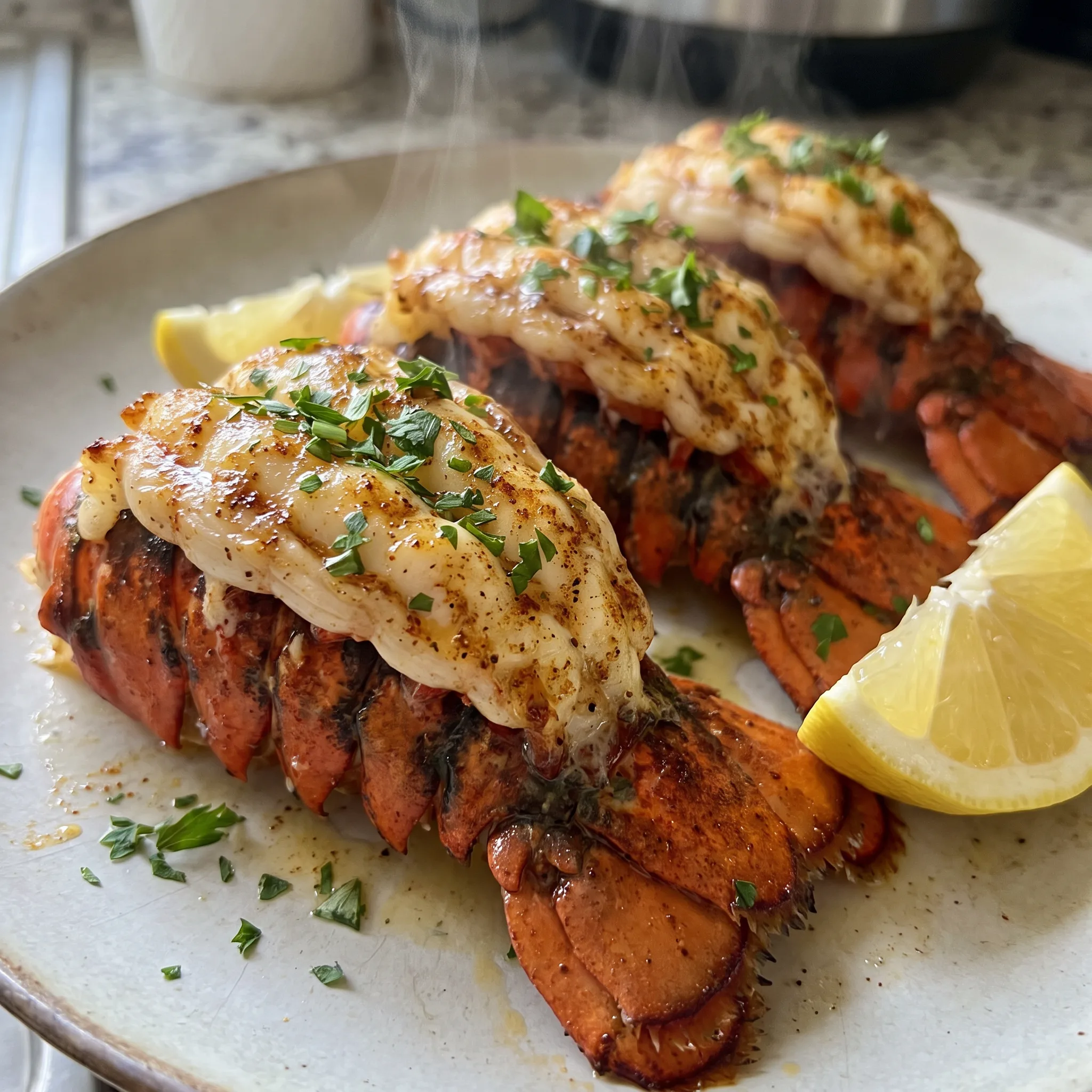
Grilled Lemon Butter Lobster Tails
Ingredients
Method
- Preheat the grill to medium-high heat (about 400°F (205°C)/200°C).
- Using kitchen shears, cut down the top shell of each lobster tail and gently pull the meat out, resting it on top of the shell.
- In a small bowl, combine melted butter, lemon juice, minced garlic, paprika, salt, and pepper.
- Brush the lobster meat generously with the lemon butter mixture.
- Place the lobster tails meat side up on the grill and cook for 5–7 minutes until the meat is opaque and slightly charred.
- Brush with additional lemon butter halfway through grilling for extra flavor.
- Remove from grill and garnish with chopped parsley and lemon wedges before serving.
Eat Grilled Lobster Tails Within 15 Minutes, and Treat Leftovers as Salad
Serve these within 15 minutes of pulling them off the grill. That’s the window where the meat is still warm and juicy. Past that, the butter baste congeals on the surface and the flesh firms up and turns rubbery as it cools.
Reheating only tightens it further, so don’t bother with the grill or a pan. If you have leftover tails, chill them and pick the meat for a lobster salad or a cold roll, where the firm texture works in your favor. Keep them in an airtight container in the fridge for up to 2 days.
Beyond that, the lemon and garlic turn flat and the meat dries at the edges. Freezing isn’t worth it here; the thawed meat goes watery and tough.
Add the parsley and lemon wedges at the table, right before anyone eats, so the herbs stay green and the juice stays bright.
Tips
- Pat the exposed lobster meat with paper towels until it feels tacky, not slick, before you brush on the lemon butter. Wet meat makes the butter bead up and slide off, and those drips are what hit the coals and flare. Dry meat gives the butter something to grab, so more of it stays on the lobster and less burns below.
- Blot the meat again after the first baste sets, right before the halfway brush. The first coat mixes with surface moisture and thins out, so a quick pat lets the second brush of lemon butter build a glaze instead of running off. That second coat is where the garlic and paprika actually stick to the flesh.
What You Can Swap in the Lemon Butter Baste for Grilled Lobster Tails, and What to Leave Alone
Lobster tails: Large shrimp or scallops can stand in for the lobster. Use the same 6 to 8 ounces per person, but shrimp and scallops cook in 3 to 4 minutes over the same heat, so pull them as soon as they turn opaque.
The lemon butter baste works the same way, though the sweet, firm lobster meat gives way to a softer bite and a brinier taste. You’ll get a quicker cook and a different texture, but the baste still clings and chars.
The dish reads more like grilled seafood with lemon butter than grilled lobster, so adjust your expectations.
Unsalted butter: For a dairy-free version, use a plant-based butter stick that melts and browns. Start with the same 4 tablespoons the recipe calls for.
The flavor won’t be identical, but it will carry the lemon and garlic just as well. The baste may separate a bit faster on the grill, so keep an eye on it and stir before brushing.
The finished lobster won’t have that rich, creamy back note, but it will still taste seasoned and bright.
Fresh lemon juice: Bottled lemon juice or another acid like lime juice or white wine vinegar can replace the fresh lemon. Use the same 2 tablespoons, then taste the baste before brushing.
If it’s too sharp, add a pinch more butter or a drop of honey. Bottled juice lacks the fresh zing and can taste flat, so the baste won’t brighten the lobster the same way.
Lime juice gives a different, more floral acidity. White wine vinegar is harsher, so start with half the amount and adjust.
Paprika: Smoked paprika or hot paprika can take the place of sweet paprika. Use the same 1 teaspoon, but be aware that smoked paprika will add a deeper, campfire-like note, and hot paprika will bring heat. Smoked paprika can overpower the delicate lobster if you use too much, so stick to the same amount.
Hot paprika gives a spicy kick that some may find distracting from the sweet meat. Sweet paprika is there for color and a mild warmth, so swapping changes the whole character of the baste.
Frequently Asked Questions
Can I prep the lemon butter and split the lobster tails ahead of time?
Split the shells and lift the meat up to an hour before grilling, then keep the tails covered in the fridge. Past that, the exposed flesh dries at the edges and picks up whatever else is in there.
Mix the lemon butter ahead too, but expect it to firm up in the cold; it needs a quick warm to brush smoothly, and cold butter won’t cling to the meat the way melted butter does. The garlic and lemon hold their edge for a few hours, so this is a prep step worth doing, not one to stretch overnight.
How do I know when grilled lobster tails are done without overcooking them?
Press the thickest part of the meat: it should give slightly and spring back, and the surface should look opaque with a faint char at the edges. Any spot that still looks wet and glassy is underdone, so leave it on a moment longer.
The smell shifts too, from raw and briny to sweet and toasted, right around the time it’s ready. Once that springy firmness shows up, get them off the grates, because the meat tightens fast and there’s no walking it back.
What should I do if the lobster meat sticks to the grill?
Most sticking comes from grates that weren’t hot or clean enough before the tails went on, so let the grill come up to heat and scrape the grates well first. If the meat is already down and fighting you, don’t pry at it; give it another 30 seconds and it usually releases as the surface sets.
Slide a thin spatula under the shell rather than the meat, since the shell is the sturdier handle. A light brush of the lemon butter on the grates before the tails go down helps too.
How is this grilled version different from steamed or boiled lobster tails?
Steaming and boiling cook the meat in its own shell, so it stays pale, soft, and mild, with none of the browning you get over fire. Grilling puts the exposed meat in direct contact with hot grates, which gives you a browned, slightly charred crust and a firmer, snappier bite. The basting butter hits the hot surface and glazes instead of pooling in the shell, so the lemon and garlic sit on the meat rather than in a puddle.
You trade some of the delicate sweetness for smoke and char, and that’s the whole reason to grill them.
