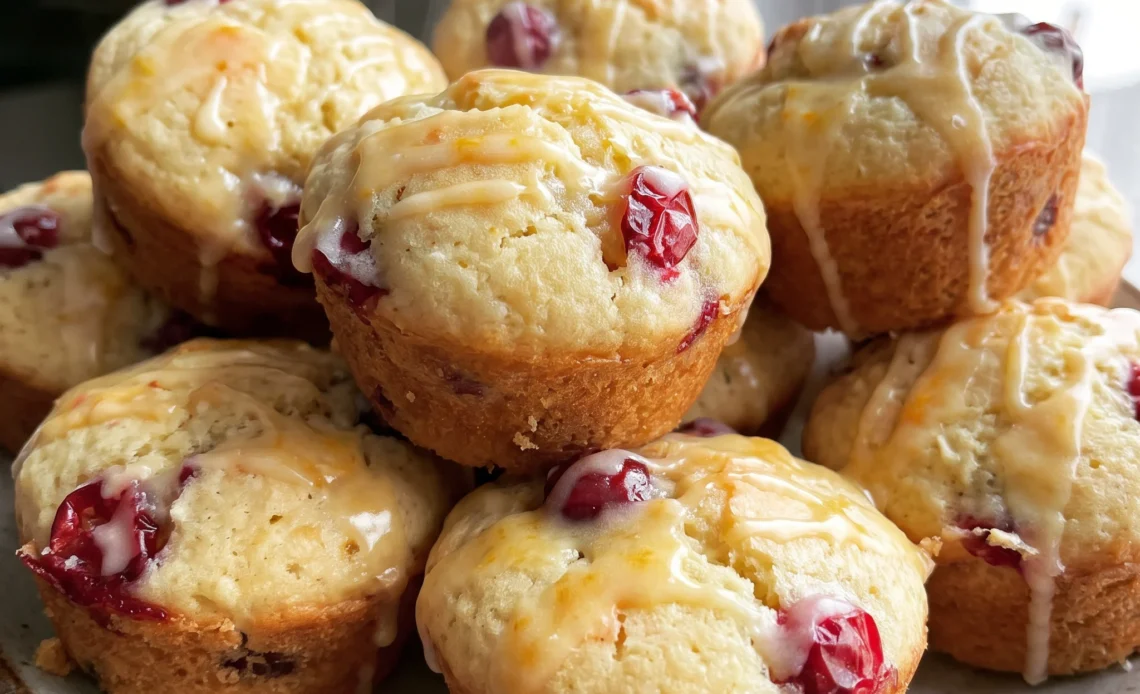
Anyone who has baked gluten-free muffins knows the anxious moment when you check the crumb. Cranberry orange muffins made with a good all-purpose blend, though, shouldn’t give you that feeling. The sour cream and eggs carry the structure, the orange zest covers the faint beany note some blends leave behind, and the batter gets a built-in pause before it ever sees heat.
That pause is the part most people skip, and it is the difference between a sandy crumb and one that eats like the wheat original. Orange zest from two fruits and halved cranberries keep every bite bright rather than sweet. The full recipe, including the glaze that uses the same oranges, is below.
If you have only ever had dense, gummy gluten-free baking, start here.
Why the Batter Rests Before Baking
Set the timer for 15 minutes the moment the batter is scooped into the liners. This pause is not a suggestion.
Gluten-free flours, especially the all-purpose blends, absorb liquid far more slowly than wheat flour does. The starches need that contact time to soften and hydrate. Bake too soon and the crumb stays gritty, with a dry, sandy feel on the tongue even if the muffins look done.
Fifteen minutes is enough for the flours to drink in the moisture from the sour cream, eggs, and melted butter. By the time the oven hits 350°F (175°C), the batter has changed from a stiff, shaggy mass into something smoother and more cohesive. You will not lose any time because the oven needs to preheat anyway.
The rest happens in that same window. The muffins go into the oven with a head start on tenderness, and the texture shows it.
Cranberry and Orange, a Balance of Tart and Bright
Cranberries bring a sharp, bracing tartness that cuts through the sugar, butter, and sour cream in this batter. Without that acidity, the muffins would taste flat and overly sweet.
Orange zest adds a different kind of lift. Its oils are aromatic, not just sour, and they round out the flavor while subtly masking the faint beany aftertaste that some gluten-free blends carry.
Together they keep each bite lively and fresh. Halving the cranberries matters too. A whole berry can sink to the bottom during baking and leave a wet pocket, but a halved one stays suspended in the thick batter.
The smaller pieces also distribute more evenly, so every muffin gets its share of tart fruit instead of a single sour jolt. The result is a crumb that tastes balanced, not one-note, with pockets of bright fruit and a citrus perfume that lingers.
Building Structure Without Gluten
Gluten is what normally gives muffins their springy network, and without it, the batter needs other scaffolding. Eggs and sour cream do that work here.
The eggs set into a tender crumb as they bake, and the sour cream keeps everything moist while adding just enough body to hold the rise. The batter is deliberately thick, almost like a soft cookie dough, because that thickness traps air and supports the muffins as they climb. A thin batter would spread and collapse.
When you scoop with a trigger scoop and smooth the tops with wet fingers, you are shaping the dome before it ever hits the heat. Any air pockets created by uneven filling become weak spots that sag.
Even doming comes from an even start. These muffins rely on that careful construction, not on gluten, to come out tall and tender rather than dense or sunken.
The Glaze That Finishes and Protects
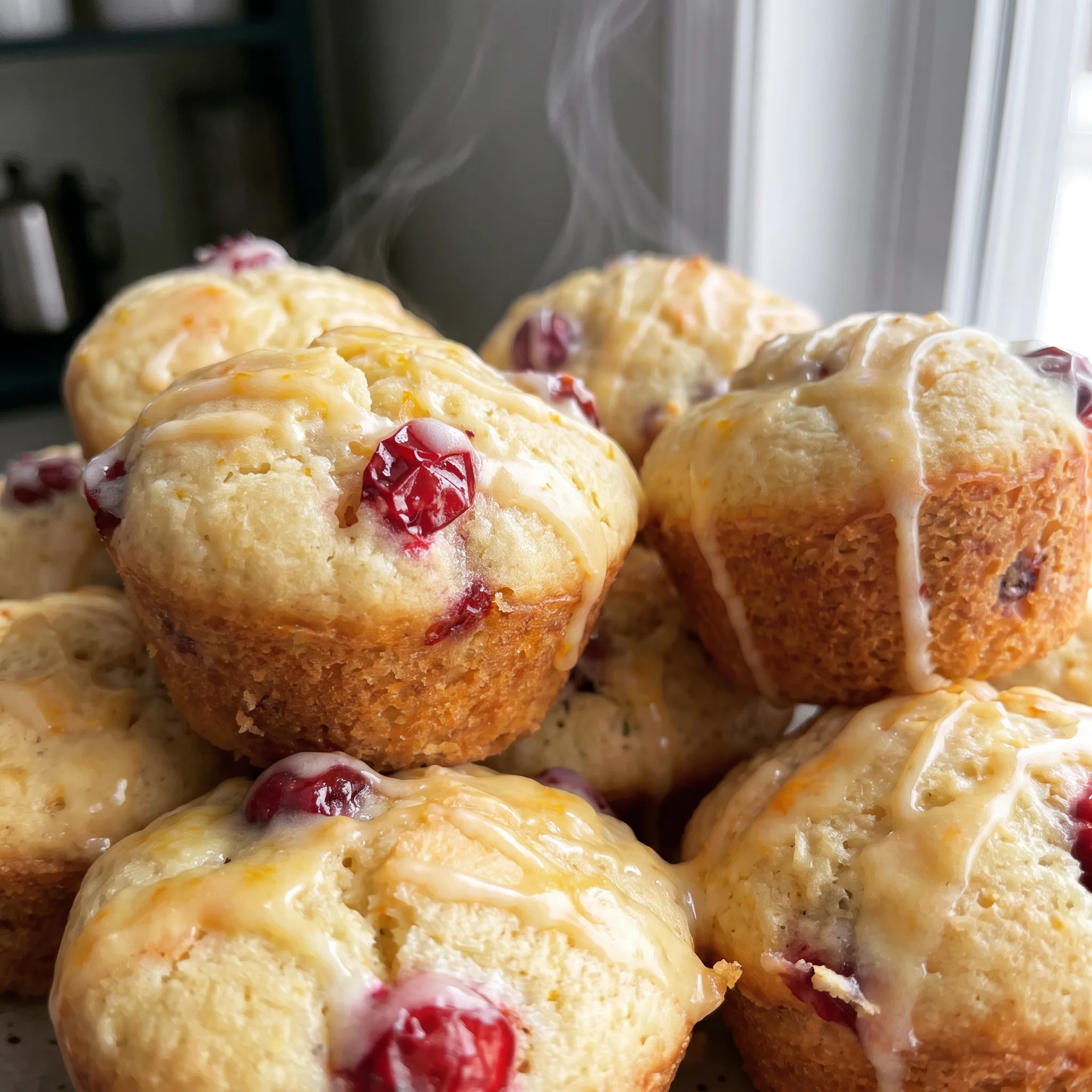
That final drizzle of orange glaze does more than look pretty. It uses the same oranges you zested, so every bit of citrus goes into the muffin one way or another.
The flavor is bright and fresh, a natural companion to the tart cranberries. The glaze also seals the top crust, slowing moisture loss so the muffins stay soft for longer. Its consistency matters: thin enough to run off a spoon in a lazy ribbon, but thick enough to grip the muffin without pooling on the paper.
If it is too thin, it vanishes into the crumb. Let the glaze set completely before you stack or store the muffins. A set glaze forms a slight shell that prevents smearing and helps the muffins hold their texture.
You can tell it is ready when a fingertip touch leaves no tacky print. That finish is worth the few extra minutes.
What Matters Before You Start Measuring
Gluten-Free All-Purpose Flour: Cup4Cup is the blend the recipe was built around; other blends absorb differently and can throw off the thick batter.
Cranberries: Fresh or frozen both work, but halve them; whole berries sink and leave wet pockets in the crumb.
Sour Cream or Yogurt: Full-fat only, because the fat carries moisture and body that low-fat versions thin out.
Oranges: You need zest from two and juice from three tablespoons; pick fruit that feels heavy and smells strong at the stem end.
Butter: Melt it first and let it cool to room temperature, or it will cook the eggs when you whisk them in.
Gluten-free flours absorb liquid more slowly than wheat flour, so the starches need time to hydrate before baking. Resting the batter for 15 minutes while the oven preheats allows the starches to soften and swell, preventing a gritty or dry texture in the finished muffin. This rest happens during preheating, so it adds no extra waiting time.
Reading the Batter and the Bake Before the Timer Decides
When the batter stops looking shaggy
Stir only until the dry patches disappear. The batter stays thick, closer to a stiff cookie dough than a pourable cake batter, and that heaviness is what holds the cranberries up. Keep mixing past the last dry pocket and the crumb tightens into something dense and rubbery.
Stop early and you’ll find streaks of raw flour in the finished muffin. Scrape the bottom of the bowl once with a spatula to check for hidden pockets, then quit.
Judging the scoop before it bakes
Each cup wants the same amount, filled nearly to the rim. Level the tops with wet fingers; a mounded center browns faster than the edges and a low spot bakes flat.
If the batter drags and clumps as you scoop, it needs no liquid, just a firm press into the cup. Uneven fill is the most common reason one muffin in the pan comes out lopsided while its neighbor domes.
The 15 minute rest, and when it is actually over
Watch the surface of the filled cups, not the clock alone. The batter relaxes from stiff and matte to slightly glossy and settled, and the tops stop looking dry. Pull them early and the crumb stays gritty and sandy.
Past roughly 20 to 25 minutes at room temperature the leaveners start working before heat hits them, and the rise weakens. The oven reaching 350°F (175°C) is your signal to load the pan.
Reading doneness past the toothpick
A toothpick in the center should come out with a few moist crumbs, not wet batter and not bone dry. Gluten-free crumb keeps setting after it leaves the oven, so pulling at the first clean pick can mean a dry muffin an hour later.
Check at 20 minutes, rotate the pan, and judge again at 22. If the tops are browning hard before the centers set, drop the rack a notch.
When the glaze is the right weight
Lift a spoon and let it fall. It should run in a slow ribbon that holds a faint trail for a second before settling, and coat the back of the spoon without pouring off in a sheet. Too thin and it soaks into the crumb and disappears, leaving a sticky top with no shine.
Too thick and it sits in a lump. A teaspoon of juice or a spoonful of sugar fixes either direction.

Gluten-Free Cranberry Orange Muffins with Glaze
Ingredients
Method
- Melt the butter and set it aside to cool before combining with the remaining ingredients. Line standard muffin cups with paper liners or coat with nonstick cooking spray. Do not preheat the oven yet; it will be preheated later while the batter rests, allowing the gluten-free starches to soften and hydrate in the liquids.
- In a large bowl, whisk together the cooled melted butter, granulated sugar, brown sugar, sour cream or yogurt, eggs, vanilla extract, and orange zest.
- Stir in the gluten-free flour, baking powder, baking soda, and salt until no dry flour pockets remain; the batter will be thick. Gently fold in the halved cranberries until evenly distributed.
- Preheat the oven to 350°F (175°C). While it preheats, use a large trigger scoop to divide the batter among the muffin cups. With slightly wet fingers, pat the tops even. If desired, gently press additional halved cranberries into the tops.
- Let the filled muffins rest at room temperature for about 15 minutes while the oven preheats, allowing moisture to saturate the gluten-free starches and build a fluffy structure.
- Bake for 20–22 minutes, rotating the pan halfway through, until a toothpick inserted in the center comes out clean. Cool in the pan for 5 minutes, then turn out onto a wire rack to cool while preparing the glaze.
- For the glaze, mix the powdered sugar and orange juice in a small bowl until thin enough to drizzle but thick enough to cling to the tops; adjust with more powdered sugar or juice as needed. Place wax paper under the cooling rack to catch drips. Drizzle the glaze over the muffin tops with a small spoon. Let the glaze set before storing.
Storage and Serving: Keeping the Glaze Intact and the Crumb Tender
The glaze must set fully before you stack or cover these muffins. A tacky top smears against the next muffin and pulls the shell away, which is the whole reason the glaze protects the crumb.
Once set, the muffins keep in an airtight container at room temperature for two days. After that, the crumb dries at the edges and the orange aroma fades. For a longer hold, refrigerate them for up to four days.
Cold tightens the crumb and firms the butter, so a chilled muffin eats denser and less tender than a fresh one. Rewarm a refrigerated muffin for 10 to 15 seconds in the microwave, or 5 minutes in a 300°F (150°C) oven, to loosen the crumb without melting the glaze. Eat them the day they are glazed for the softest texture.
If you want the glaze to stay glossy and distinct, add it after the muffins cool completely and serve within a few hours. Freezing works for the unglazed muffins only. Wrap them tightly and freeze for up to two months.
Thaw at room temperature, then glaze.
Tips
- Spoon the flour into your measuring cup and sweep the top level with a straight edge instead of dipping the cup into the bag. Cup4Cup packs down easily, and a dipped cup can hold 15 to 20 grams more than the 120 grams per cup this recipe assumes, which across 2¼ cups adds up to nearly a half cup of extra flour and bakes into a dry, tight crumb. If you keep a scale, weigh 270 grams and skip the cups entirely.
Which Ingredients Can Take a Swap and Which Will Sink the Muffins
Gluten-Free All-Purpose Flour: Keep Cup4Cup if you can. If you use a different blend, start with the same 2¼ cups the recipe calls for, then adjust by feel: the batter should be thick and scoopable, like soft cookie dough. If it’s soupy, add more flour a tablespoon at a time; if it’s crumbly, add a splash of sour cream or milk.
Other blends absorb liquid differently. A rice-flour-heavy blend will drink less and leave you with a wet, flat muffin.
A bean-based blend can taste earthy and clash with the orange. The rest time still applies, but you may need to watch the batter more closely.
Unsalted Butter: For dairy-free, use 8 tablespoons of a neutral oil like canola or a vegan butter stick, melted and cooled the same way. Start with the same amount.
Oil keeps the muffins moist but can make the crumb a touch more tender and less sturdy. Vegan butter behaves closer to dairy butter, so the rise and texture stay similar. Either way, the orange and cranberry still carry the flavor.
Full-Fat Sour Cream or Yogurt: For dairy-free, use a full-fat coconut yogurt or a thick cashew-based yogurt. Start with ½ cup, then adjust: if the batter looks stiff, add a spoonful more.
Coconut yogurt adds a faint coconut note that can read as tropical next to the orange. Cashew yogurt is milder.
Both bring less richness than dairy, so the muffins may dry out a little faster. Store them airtight.
Fresh or Frozen Cranberries: Dried cranberries work, but they need a soak. Cover 1½ cups of dried cranberries with hot water for 10 minutes, then drain well and pat dry before folding them in. Skip the soak and they’ll pull moisture from the batter, leaving the muffins dry and the berries tough.
Soaked, they’re sweeter and less tart than fresh, so the muffins taste more like a sweet orange muffin than a bright, bracing one. Halve them if they’re large.
Eggs: None. Leave them alone.
Eggs set the structure here. Without gluten, they’re the main thing holding the rise and crumb together.
A flax or chia egg won’t do the same job; you’ll get a gummy, sunken muffin that never sets properly.
Orange Zest: None. Don’t skip it or replace it with extract. Zest carries the oils that give the muffins their bright, aromatic lift.
Extract is weaker and cooks off. The zest also helps mask the beany taste some gluten-free blends have.
No zest, and the muffins taste flat.

Frequently Asked Questions
Can I make the batter ahead of time and bake the muffins later?
You can mix the dry ingredients and the wet ingredients separately and hold them in the fridge overnight, but combining them ahead of time is a gamble. Once the gluten-free flour hits the wet team, the leaveners start working and the batter can turn slack and lose its rise if it sits too long.
If you must, scoop the batter into the liners and refrigerate them for up to an hour, then bake straight from the fridge, adding a minute or two to the bake time. The batter will be stiff and cold, so the domes may not climb as high.
Freshly mixed batter that rests 15 minutes on the counter is still your best bet.
Why did my gluten-free muffins turn out dense or gummy?
The most common cause is overmixing once the flour goes in. Stop the moment the last dry streak disappears; the batter should look thick and slightly lumpy, not smooth and pourable. A second check is your flour blend: Cup4Cup was the test blend, and rice-heavy or bean-based blends absorb liquid differently, so the batter can end up too wet and bake into a gummy crumb.
Also make sure your baking powder and soda are fresh. If they fizz weakly in water, they won’t lift the muffins. Finally, don’t skip the 15-minute rest.
That pause lets the starches hydrate, and without it the crumb stays gritty and tight.
How do these cranberry orange muffins compare to the classic wheat version?
Texture-wise, the gluten-free crumb is a touch more tender and less springy than a wheat muffin, but the difference is small if you use the recommended blend and let the batter rest. The flavor is brighter and more focused on the orange zest, since gluten-free flours can taste faintly beany and the citrus covers that. You get the same tart pops of cranberry and the same sweet glaze on top.
The biggest practical difference is that these muffins dry out a little faster, so eat them the day they’re glazed for the softest bite.
