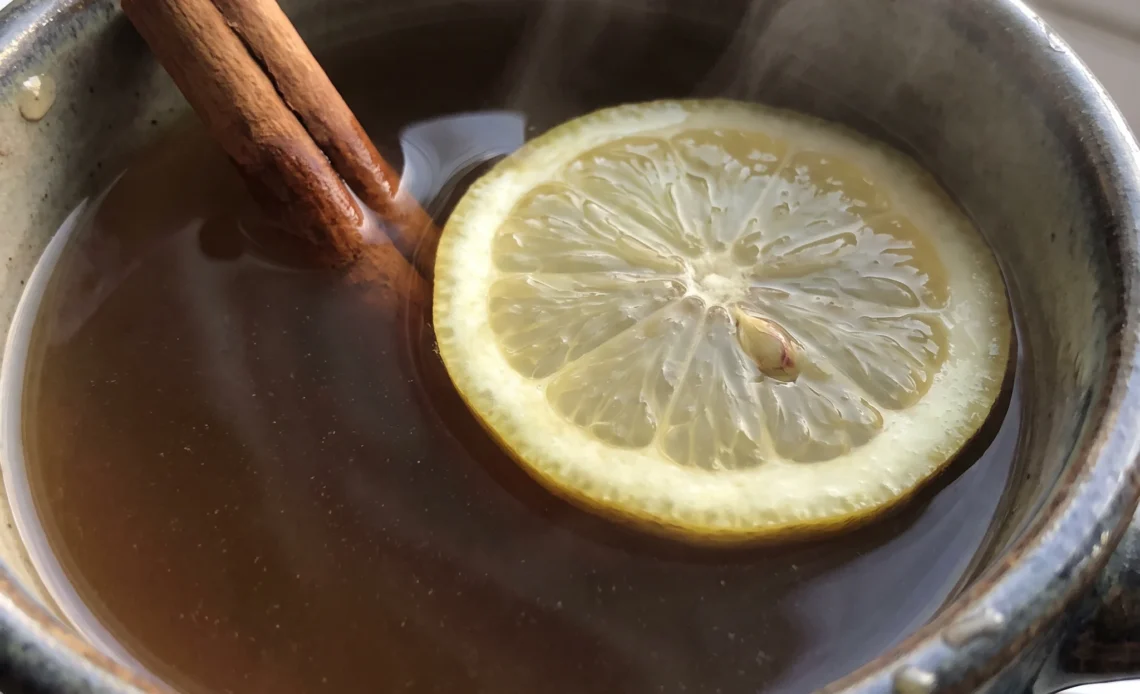
Steam carries the lemon and cinnamon up before the first sip, and the tea underneath has to be right or nothing above it lands. A hot toddy with tea lives or dies on how long that bag stayed in the mug.
Steep it a shade long and the liquid turns grippy on your tongue, a texture honey can’t smooth over and lemon only sharpens. Pull it early and you’re drinking tinted water with nothing for the sweetener to grip.
There’s a narrow window between the two, and it moves with the tea you chose. Black holds its ground against liquor and citrus.
Green or white goes thin fast, so the same spoon of honey reads sweeter. Taste the plain steeped tea before anything else goes in and let that sip set your hand. What follows is a drink that can go flat or dull if you stop paying attention after the pour.
Tea Base Sets the Balance
Steeping the tea bag first gives you a consistent liquid to work with. Once the leaves have released their flavor, the water holds a steady body and a known level of tannins. That matters because honey dissolves more evenly into a tannin-rich liquid than into plain water, and the tea’s natural astringency keeps the sweetness from sitting flat on your tongue.
A lighter tea like green or white leaves a thinner base, so the same tablespoon of honey tastes sweeter; a bold black tea stands up to it and keeps the lemon in check. Using 6 fluid ounces of hot water fills a standard mug without leaving the drink weak or sloshing near the rim.
Too much water and the liquor and lemon get lost; too little and the tea turns bitter before you’ve added anything else. The base you pour is the frame the rest of the drink hangs on.
Honey First, Then the Rest
Honey needs heat and time to blend into a drink. Add it to the hot tea before anything else, and it dissolves into a uniform sweetness you can taste evenly from the first sip to the last. If you pour in the liquor and lemon first, the liquid cools and the honey sinks, leaving a sticky pool at the bottom that never fully mixes.
The liquor and lemon juice go in after the honey is gone. Both carry delicate aromas that heat and agitation drive off, so adding them last keeps those top notes in the mug instead of in the air.
A good stir after each addition does more than combine; it shows you the texture. When the liquid moves as one body, with no slick patches or streaks, you know the drink is homogeneous. The final taste should be seamless, not a series of separate layers.
When the Drink Needs a Sharper Edge
A tablespoon of raw apple cider vinegar is not there to make the toddy taste like vinegar. It sharpens the drink when lemon alone feels soft or dull.
Some teas, especially heavily oxidized black teas or smoky varieties, mute the lemon’s acidity so the finish lands flat. The vinegar steps in as a second acid, quiet but persistent, and pulls the whole thing back into focus. Whether you need it depends on what you’ve already poured.
A bright, high-acid liquor like a young rye or a crisp unaged brandy often needs nothing more. A sweeter bourbon or a mellow aged rum can leave the drink rounded when you want a snap. Classic hot toddies get their lift from lemon, and this is just another way to get that same clean finish.
Taste before you commit; the difference is unmistakable once you’ve tried both.
Cinnamon Stick, Scent Not Sweetness
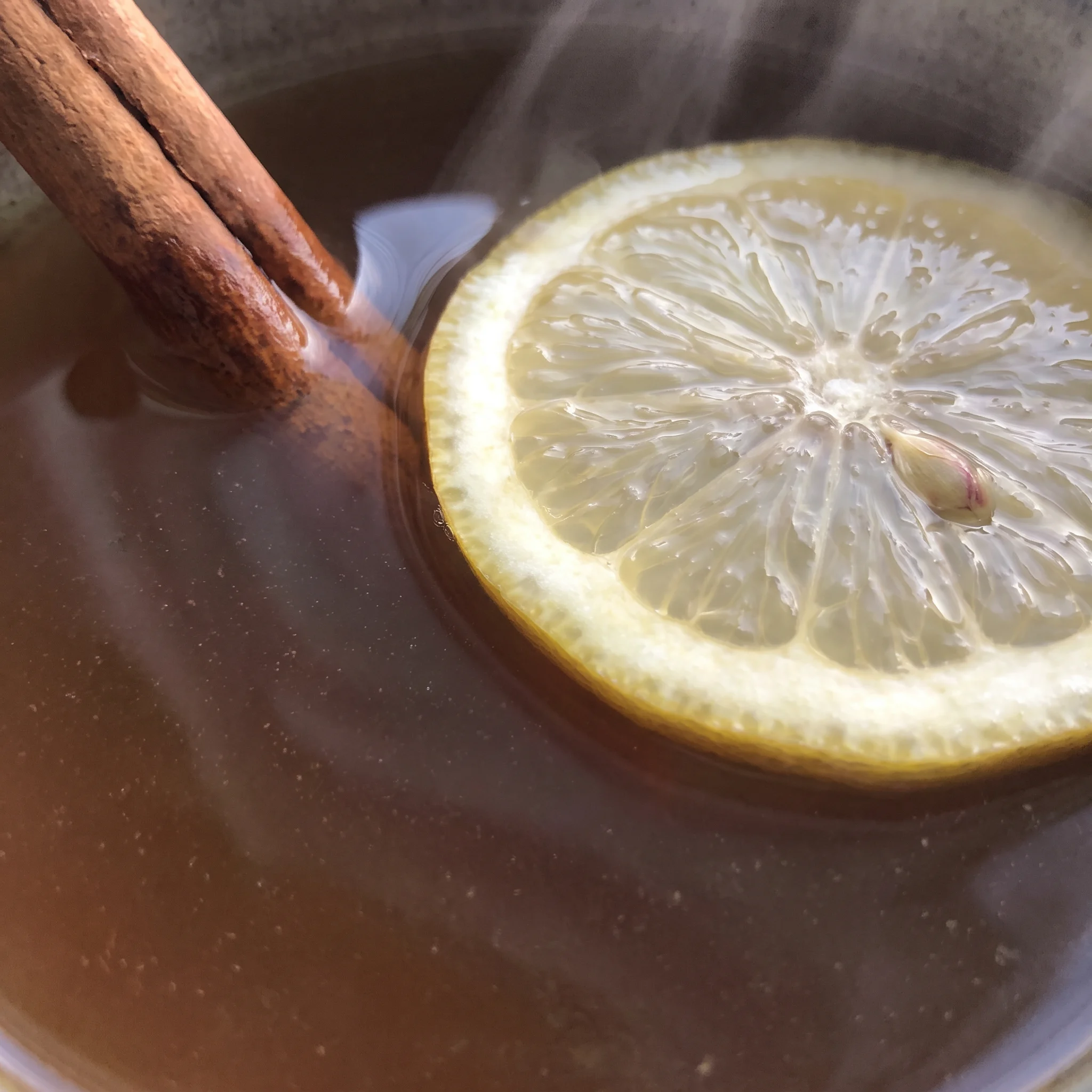
A cinnamon stick dropped into the mug adds a warm scent that rises with the steam. It is optional because its job is aroma, not flavor. If you skip it, the drink still works, but you lose that soft spice note that drifts up before each sip.
The stick should sit upright against the side of the mug, where the hot liquid laps at it without submerging it completely. That way the cinnamon releases its oils slowly, so the scent stays present from the first sip to the last without turning bitter. Crushing or breaking the stick releases too much at once; the drink picks up a raw, woody bite that overpowers the tea and honey.
Left whole, it is a quiet companion. When you lift the mug, the smell should be gentle and warm, a background note that makes the toddy feel complete without demanding attention.
What Actually Changes the Mug
Tea bag: Green or white leaves give a thinner base where the same tablespoon of honey reads sweeter; black tea holds the lemon in check.
Honey: Raw or runny honey blends into hot tea cleanly, while crystallized honey leaves a sticky pool that never fully dissolves.
Liquor: A young rye or crisp unaged brandy keeps the finish bright; sweeter bourbon or mellow aged rum rounds the drink and mutes the lemon.
Fresh lemon juice: Bottled juice tastes flat and metallic against tea tannins, so squeeze the tablespoon from a lemon you’d eat the slice of.
Raw apple cider vinegar: Raw and unfiltered has a softer, rounder bite than clear distilled vinegar, which reads harsh against honey and black tea.
Cinnamon stick: A whole stick perfumes the steam slowly; a broken or crushed one dumps its oils at once and turns the mug bitter and woody.
Reading the Drink as You Build It
Catching the tea before it turns harsh
Steep to the package’s suggested time, but start tasting a minute or two early. The moment the tea feels drying on your tongue, pull the bag.
Oversteeped tea leaves a coarse, grippy texture that honey can’t smooth over, and the lemon and liquor will only amplify it. If it’s already too strong, dilute with a splash of hot water. Understeeped tea tastes thin and watery, so the honey and lemon have nothing to cling to.
Knowing the honey has fully dissolved
After stirring, look for a clear, uniform liquid with no syrupy ribbon trailing from the spoon. Honey that hasn’t dissolved settles as a sticky layer at the bottom, so the first sip is cloying and the last is tart. If you see streaks or feel resistance when you stir, keep going.
The tea needs to be hot enough to melt the honey, but if it’s already cooled, a quick reheat in the microwave helps it blend.
Tasting for balance after the liquor and lemon go in
Take a small sip before you add the optional vinegar. The drink should taste bright from the lemon, mellow from the honey, and warmed by the liquor, with no single element shouting.
If the lemon feels flat or the finish drops off too quickly, that’s when the tablespoon of apple cider vinegar earns its place. Add it a few drops at a time, stirring and tasting, until the edge sharpens without turning sour.
Judging whether the cinnamon stick is releasing too much
A whole cinnamon stick left in the mug should smell warm and sweet when you bring it to your nose, not sharp or woody. If the scent turns harsh or the liquid tastes bitter after a few minutes, fish the stick out. Crushing or breaking it releases oils too fast, and the drink picks up a raw bite that drowns the tea.
Leave it whole and upright so it perfumes the steam without overpowering the sip.
Hot Toddy with Tea, Honey, and Lemon
Ingredients
Method
- Place the tea bag and hot water into a mug. Allow the tea to steep for the duration advised on the package.
- Take out the tea bag (if you like) and mix in the honey until it dissolves.
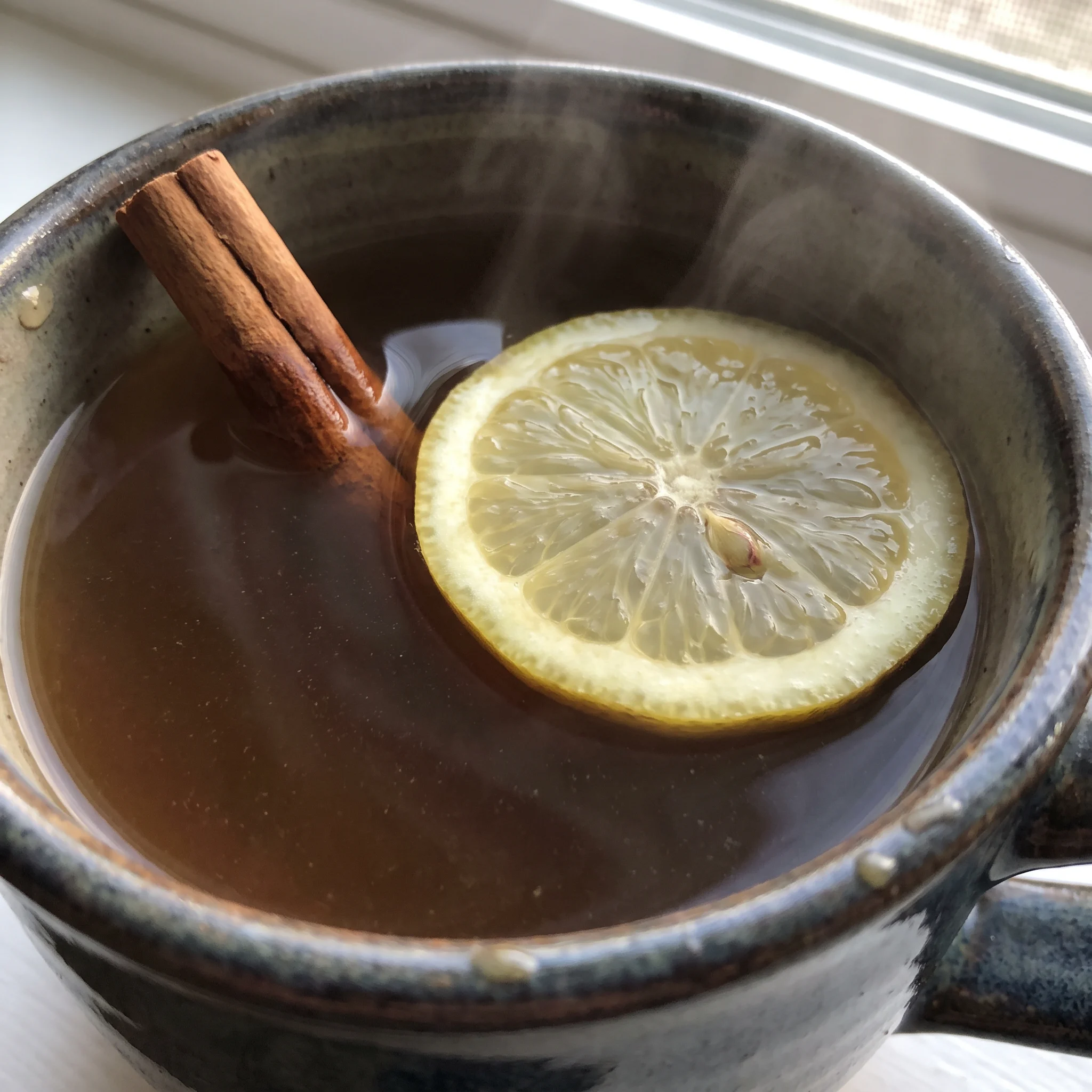
- Pour in the liquor and lemon juice, stir well, and top with a fresh lemon slice.
Drink It Now, Not Later
This toddy has no holding time. Tea starts turning bitter and grippy within minutes of steeping, and once the liquor and lemon are in, the drink only cools and dulls.
Pour it and drink it inside 10 to 15 minutes, while the steam still carries the cinnamon and lemon oils and the honey stays fully dissolved. Past that, the tannins sharpen, the aromatics fade, and reheating drives off what’s left of the liquor’s top notes. You can’t store the finished drink in the fridge or freezer and get anything worth drinking back.
What you can do ahead is the plain tea: steep it, pull the bag, cool it, and refrigerate it up to 3 days. Reheat it to steaming, then add the honey, liquor, and lemon, in that order. The lemon slice and cinnamon stick go in at the very end, right before the first sip, never earlier.
A slice sitting in the mug turns the whole drink bitter as the pith steeps.
Tips
- Taste the steeped tea before you add honey and decide the amount from that sip. A tea bag left in a mug of 6 fl oz water past its printed steep time, or a strong Assam or English Breakfast bag, can taste bitter enough that 1 tbsp honey only masks it, while a green or white bag at the same strength may already taste sweet enough that the full tablespoon pushes the drink over. Start with 2 tsp, stir, taste, and add the last teaspoon only if the tea still bites.
Two Swaps That Rewrite the Drink, One That Ruins It
Tea bag: Any flavor you like, but the color of the steeped tea tells you what to expect. Green or white tea in place of black gives a paler, thinner liquid, so the same tablespoon of honey will taste sweeter.
A fruit or herbal tea adds its own sweetness, often making the honey feel like too much. Start with the same one tea bag.
If you pour in green tea and the first sip tastes thin, add another half tablespoon of honey. With a fruity herbal tea, you might want to cut the honey back to two teaspoons or skip the lemon slice.
Black tea, especially Assam or English Breakfast, keeps the balance closest to the original.
Liquor (1½ fl oz): Bourbon, rye, Scotch, Irish whiskey, dark rum, or brandy all work, but each one changes how the lemon and honey sit on your tongue. A young rye or crisp unaged brandy keeps the finish sharp and the lemon forward.
Sweeter bourbon or aged rum rounds the edges and can mute the lemon entirely. Use the same 1½ fluid ounces no matter what you pour. If you switch to a sweeter spirit and the drink tastes flat, add the optional apple cider vinegar a few drops at a time until the edge comes back.
A peated Scotch will dominate the tea and honey, so save it for a night when you want smoke more than balance.
Honey (1 tbsp): Maple syrup or agave syrup will sweeten, but neither dissolves into hot tea the way honey does. Maple brings its own woody flavor that fights with lemon and black tea. Agave is neutral but thinner, so it blends faster and can make the drink taste watery.
Start with the same one tablespoon. Maple syrup may need a longer stir to fully mix, and if the drink tastes too sweet, cut back to two teaspoons next time.
Agave dissolves almost instantly, so taste after a quick stir and add more only if the tea still feels sharp.
Fresh lemon juice (1 tbsp): Bottled lemon juice is the one swap that will ruin the drink. It tastes flat and metallic against tea tannins, and no amount of honey hides it. Lime juice works in a pinch, but it pushes the drink toward a different, more tropical profile that clashes with cinnamon.
If you must use bottled, start with half the amount, about 1½ teaspoons, and taste. The drink will still lack the bright top note that fresh juice gives. Squeeze the tablespoon from a real lemon you’d eat the slice of; the difference is obvious in the first sip.
The recipe’s sequence, steep tea, dissolve honey, then add liquor and lemon, is not arbitrary. Honey is a supersaturated sugar solution that needs hot water to dissolve; if liquor or lemon juice is added first, the liquid cools and the honey sinks and clumps. Meanwhile, the volatile compounds in liquor and lemon juice evaporate quickly in hot water, so adding them last preserves their aroma and prevents a flat, muddled drink.
Frequently Asked Questions
Can I make a hot toddy with tea ahead of time and reheat it?
You can make the tea ahead and refrigerate it up to 3 days, then reheat it to steaming and add the honey, liquor, and lemon in that order. But the finished drink itself is a now-or-never thing. Tea turns bitter and grippy within minutes of steeping, and reheating a fully built toddy drives off the liquor’s top notes and dulls the lemon.
If you’re planning ahead, stop at plain steeped tea and finish the mug when you’re ready to drink.
Why did my hot toddy with tea turn out bitter?
Most likely the tea bag stayed in too long. That coarse, drying feel on your tongue is oversteeped tea, and honey can’t smooth it over; the lemon and liquor just amplify it. Pull the bag the moment the tea starts feeling grippy, not when the clock says so.
If the tea itself is fine, check the lemon slice sitting in the mug. The pith steeps and turns the whole drink bitter, so leave the slice out until you’re ready to sip.
How is a hot toddy with tea different from a classic hot toddy?
The tea replaces plain hot water, so you get a tannin-rich base instead of a neutral one. That changes how the honey reads: it dissolves more evenly, and the tea’s astringency keeps the sweetness from sitting flat. A classic toddy leans entirely on lemon for lift, while this version can use the optional apple cider vinegar to sharpen the finish when lemon alone feels soft.
The body is fuller too, which is why 6 fluid ounces fills a standard mug without leaving the drink weak.
What type of tea works best for a hot toddy?
Black tea, especially Assam or English Breakfast, keeps the balance closest to the original because it stands up to the honey and holds the lemon in check. Green or white tea gives a thinner base where the same tablespoon of honey tastes sweeter, so you may want to cut the honey back.
A fruit or herbal tea adds its own sweetness and can make the honey feel like too much. Start with one tea bag and taste after steeping; adjust the honey from there rather than switching teas mid-mug.
Can I serve a hot toddy with tea cold instead?
You can, but it won’t be the same drink. The recipe is built on hot water to melt the honey and carry the cinnamon and lemon oils into the steam, and once it’s cold those aromatics mostly disappear. Cold tea also tastes more astringent, so the lemon and liquor can seem harsh rather than bright.
If you want a cold version, steep the tea, chill it, and add the honey, liquor, and lemon over ice just before serving. Drink it within 10 to 15 minutes; it doesn’t improve with time in the glass.
