
Watery crockpot chili almost always traces back to a lid that came off too often, not to the recipe. Every peek costs you steam, and the pot spends the next stretch rebuilding what it lost instead of cooking down. The other quiet failure is a pot that started too wet.
A lidded slow cooker barely sheds moisture, so what looks like a cautious splash at the start is still there hours later, pooling around the beans. Brown the beef properly and the pot forgives a lot.
Skip that and no amount of simmering fixes the flat, steamed taste underneath the spices. The real work here happens before the lid goes on, and then the pot runs unattended. What comes out is a chili thick enough to coat a spoon, with beans that still have shape.
Get the upfront steps right and the waiting takes care of itself.
Skillet Work Before the Lid Goes On
That five to seven minutes in the skillet decides how the chili tastes eight hours later. A slow cooker heats gently and evenly, which is exactly why it can’t put a crust on anything.
Ground beef dropped in raw stays gray and steamed, and the pot never gets hot enough to fix that. Browned first, the meat picks up the dark, roasted flavor that reads as long-simmered even though the pot did the waiting.
The onions and garlic go in with the beef for a reason: they soak up the rendered fat and turn soft and sweet in it before the wet ingredients ever touch them. Texture matters too.
A crust on the crumbles means they hold some bite after all those hours instead of dissolving into the broth. Skipping the skillet saves a pan and costs you the deepest flavor in the pot. Listen for a steady sizzle as the beef goes in; that sound is the heat doing the work the crockpot can’t.
Two Beans, Two Jobs
Kidney beans and cannellini beans behave differently in a long, wet cook, and that’s why both are here. Dark red kidney beans stay firm and whole, giving the chili something to chew against and a pot that looks like chili rather than soup.
Cannellini go softer, some breaking at the edges, and that starch they shed thickens the broth around the meat. One bean alone gives you either a thin pot or a uniform one. Held back until the last stretch, the beans keep their shape instead of collapsing over the full cook.
Rinsing and draining does real work as well: the liquid clinging to canned beans tastes flat and metallic, and it thins the chili. Fold them in gently rather than stirring hard, and they’ll stay intact enough to recognize on the spoon.
What Eight Hours Does to Spices
Chili powder, cumin, and smoked paprika taste sharp and a little raw when they first hit the pot. Those hours of low heat round them out.
The harsh edge softens, the smoke in the paprika spreads through the liquid, and the cumin loses its dusty bite and turns warm and deep. Tomato paste and Worcestershire sit underneath all of it, giving the spices something savory to land on so the finished pot tastes built rather than sprinkled. The bay leaves work slowly, releasing a quiet herbal note you’d miss if you tasted at hour two.
Cayenne is the one you control. Two tablespoons of chili powder is a baseline, and the quarter teaspoon of cayenne is a dial you can nudge up or leave alone depending on who’s eating. Taste a spoonful near the end and judge for yourself.
The heat should sit in the background, not jump out front.
Why the Pot Doesn’t Need More Liquid
A lidded slow cooker barely loses any moisture, so the three cups of broth here are calibrated for a pot that keeps its steam. Add more and you’re making a thin soup by hour six, with the solids sinking to the bottom. The tomato paste does quiet thickening work as it cooks down, and the beans, added late, soak up some of that broth and give back a little body of their own over the final stretch.
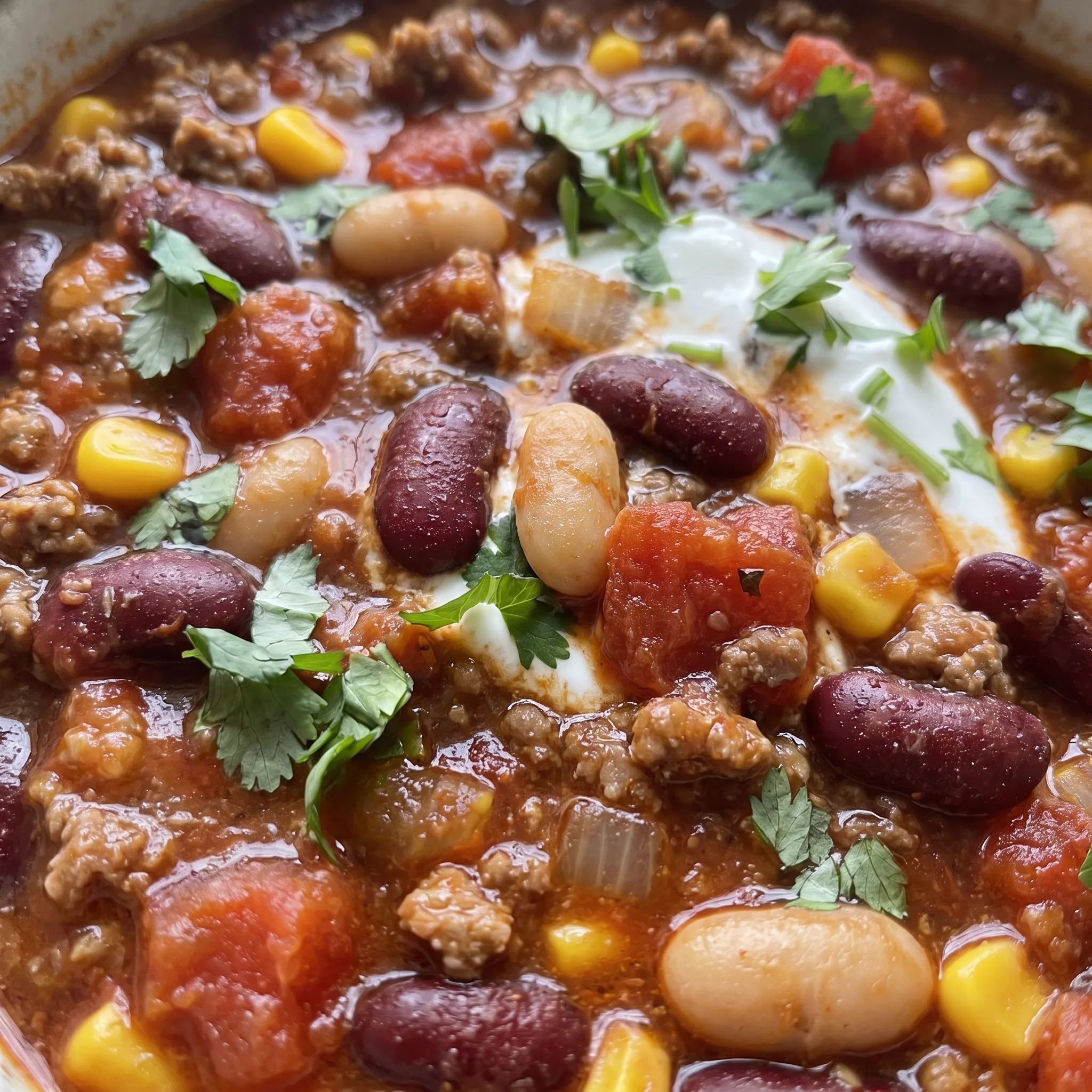
Every time you lift the lid, heat escapes and the pot has to climb back up, which stretches the cook and throws off the balance you set at the start. Leave it alone and the chili reduces to something you can stand a spoon in. Lift the lid at the end, stir, and look: the liquid should coat the beans rather than pool around them.
Buy the Right Forms Before You Start
Ground beef: Lean beef keeps the pot from turning greasy after eight hours, so pick a package labeled lean rather than regular.
Diced tomatoes: Fire-roasted diced tomatoes bring a deeper, slightly charred flavor than plain canned tomatoes and hold up in the long cook.
Chili powder: Chili powder is a blend, and brands vary in heat and salt, so taste a pinch before you decide how much cayenne to add.
Cumin: Ground cumin loses its punch after a few months in the cabinet, so smell your jar and grind fresh if the aroma is faint.
Dark red kidney beans: Dark red kidney beans hold their shape better than lighter beans, giving the chili visible pieces after hours in the pot.
Cannellini beans: Cannellini beans break down slightly and thicken the broth, so don’t substitute a firmer white bean if you want body.
How to Read the Pot at Four Points That Decide the Chili
Judging the beef when it’s done browning
The recipe says 5 to 7 minutes, but the clock is a guide. Watch for the point where the pink disappears and the crumbles start leaving brown bits on the pan. If you pull the beef off while it’s still gray, it’ll taste steamed.
Let it go a minute longer, until the edges look crisp and the onions are soft and golden. That’s the flavor base.
Knowing how thick the liquid should be before the lid goes on
After stirring, the pot should look like a thick soup, not a stew. The broth will barely cover the meat and vegetables.
If it looks too dry, resist adding more liquid now; the tomatoes and beans will release more as they cook. Trust the three cups of broth.
A pot that starts too wet ends up thin.
Reading the chili at the bean stage
An hour before serving, fold in the beans. The chili should have reduced enough that the liquid coats the back of a spoon.
If it’s still watery, leave the lid off for the last hour to let steam escape. If it’s already thick, keep the lid on. The beans will soak up some liquid, so gauge before you add them.
Tasting for heat and salt at the end
Before serving, taste a spoonful. The cayenne should be a background warmth, not a punch.
If it’s too spicy, a splash of broth or a spoonful of sour cream in the bowl can calm it. Salt is the other dial: the beef broth and Worcestershire already carry salt, so add more only if the chili tastes flat.
Adjust now, not earlier.
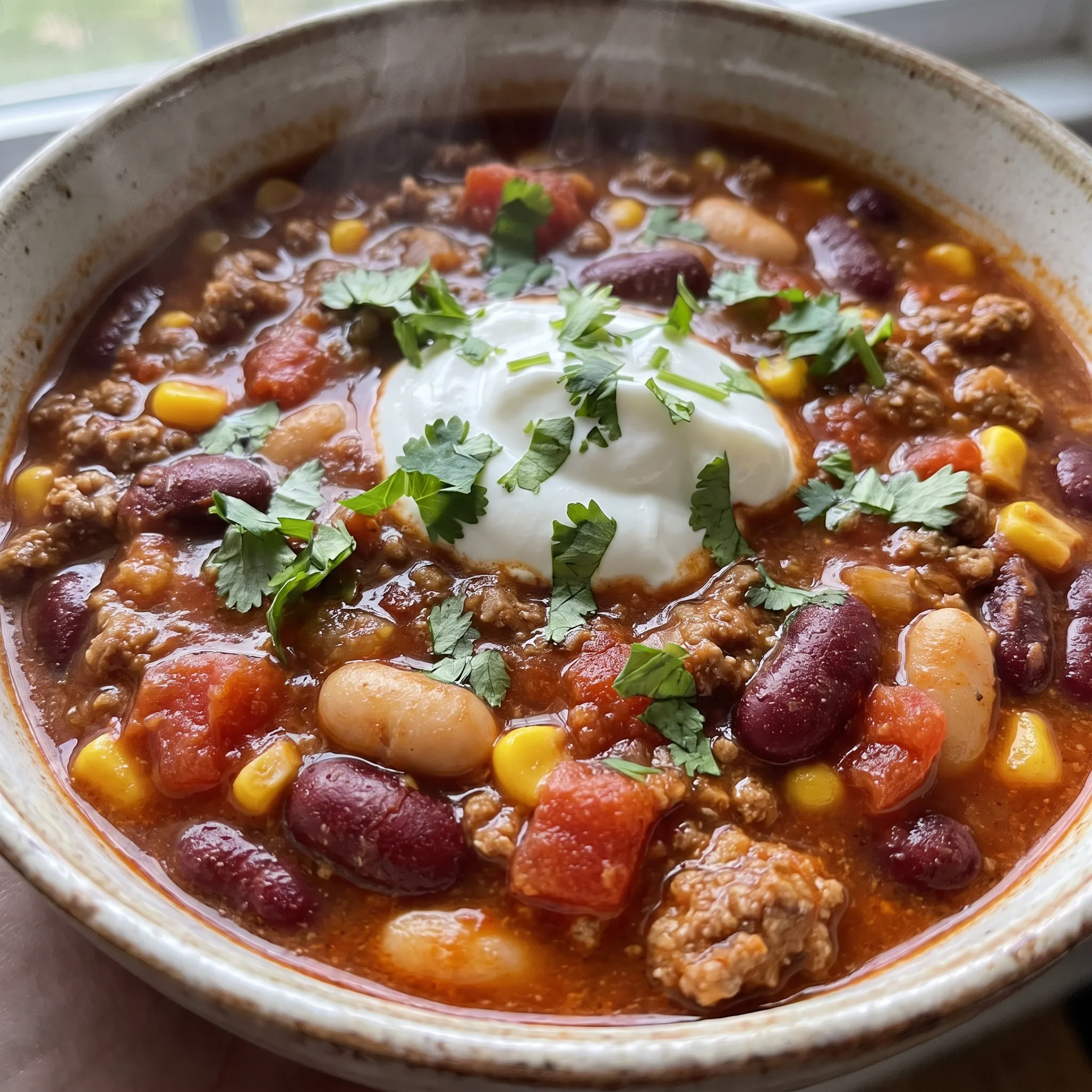
Slow Cooker Chili with Ground Beef and Beans
Ingredients
Method
- Brown the ground beef along with the chopped onions and finely chopped garlic in a skillet over medium heat. Continue cooking until no pink remains in the beef, roughly 5-7 minutes.
- Transfer the browned beef mixture into your crockpot.
- Add the diced tomatoes, beef broth, tomato paste, and Worcestershire sauce. Then scatter in the chili powder, cumin, smoked paprika, oregano, garlic powder, cayenne, salt, and pepper.
- Stir the contents thoroughly so the ingredients combine and the spices spread evenly across the pot.
- Put the lid on and cook on LOW for 6-8 hours or HIGH for 3-4 hours.
- Roughly 1 hour prior to serving, carefully fold in the rinsed kidney and cannellini beans.
- Spoon the chili into bowls and finish with shredded cheese, sour cream, fresh cilantro, jalapeños, or whichever toppings you enjoy most.
Where a Swap Helps This Pot and Where It Just Waters It Down
Ground beef (2 lbs): Regular instead of lean, or ground turkey if you want less fat. Regular beef dumps more fat into the pot, and eight hours of gentle heat won’t render it off. You’ll see a slick on top when you lift the lid, and the broth turns heavy on the tongue.
Lean keeps the pot cleaner. Ground turkey works, but it browns drier and paler in the skillet; give it a little oil and let it go until the edges pick up color, or the chili tastes flat underneath the spices. Start with the same 2 lbs either way, since the pot’s liquid is calibrated to that much meat.
Beef broth (3 cups): Vegetable broth for a lighter pot. Vegetable broth drops the beefy backbone, so the Worcestershire and tomato paste have to carry more of the savory weight. The chili reads brighter and thinner, which some people want.
Chicken broth sits closer to the original than vegetable does. Keep it at 3 cups no matter which you pour; the lidded pot barely loses moisture, and extra liquid means soup by hour six.
Cayenne (¼ tsp) and chili powder (2 tbsp): Dial the heat up or down, or trade cayenne for a minced chipotle or a spoonful of your favorite hot sauce. Chili powder is a blend, so two tablespoons from a mild jar and two from a hot one aren’t the same chili.
Taste a pinch of yours before you commit. The ¼ tsp cayenne is the fine dial; leave it out for a mild pot, or push it toward ½ tsp if you want real warmth. A minced chipotle in adobo adds smoke along with heat, so cut back on the cayenne if you go that way.
Hold off on adding more heat until the last hour, when you can taste the reduced pot and judge.
Worcestershire sauce (1 tbsp) and bay leaves (2): Leave them in. For gluten-free, check the Worcestershire label; for a vegetarian pot, use a vegetarian Worcestershire and vegetable broth.
Worcestershire is the savory anchor under the spices, and skipping it leaves a pot that tastes like seasoned tomatoes. Most brands contain anchovies and barley malt, so read the label if either matters to you; a vegetarian Worcestershire keeps the same tablespoon. The bay leaves go in whole and come out whole.
Don’t crumble them in hoping for more flavor, because the fragments turn the broth bitter and you’ll be fishing them out of bowls. Count two in, two out before serving.
Storing, Reheating, and When to Eat the Chili
Chili tastes better the next day. Overnight in the fridge, the spices settle into the broth and the beans take on the smoke and cumin they missed on day one. Eat it within four days of cooking.
Cool the pot uncovered for about 30 minutes, then refrigerate in shallow containers so it chills fast; a deep pot stays warm in the middle and sours quietly.
Reheat a portion gently on the stove or in the microwave, stirring once or twice. High heat bursts the beans and thins the broth, so keep it low until it steams. The beans soften a little more each day, so by day three they’re tender rather than firm.
That’s fine; the chili thickens as the starch releases.
Freeze portions for up to two months in containers filled with headroom, since the liquid expands. Thaw overnight in the fridge and reheat slowly. The beans come back softer than fresh but hold together if you don’t stir hard.
Eat within an hour of reheating for the best texture. Add cheese, sour cream, or cilantro to the bowl just before you eat, never to the pot, so the leftovers stay clean.
Tips
- Salt the pot lightly at the start and again at the end, but do the real seasoning in the last 30 minutes. Eight hours of evaporation and reduction concentrates the salt already in the beef broth and Worcestershire, so a pot that tasted right at hour one can taste oversalted by hour seven with no way back except adding more liquid, which thins the chili you spent the day reducing.
- If you want more heat, add it in the final hour rather than at the start. Cayenne and chili powder lose some of their bite over a long cook, so a pot seasoned to taste at the beginning will taste milder at the end. Ladle out a cup of finished chili, stir a pinch of cayenne into it, taste, and scale that amount back into the pot. That way you dial in the exact heat without risking the whole batch.
A covered slow cooker traps moisture, so any liquid added at the start stays in the pot rather than evaporating as it would on a stovetop. The recipe’s 3 cups of broth is calibrated for this sealed environment, and the late bean addition allows the beans to absorb some liquid while thickening the chili with their starch. Removing the lid during cooking releases heat and disrupts the gentle simmer, while adding beans too early causes them to break down completely and release more liquid, both of which leave the chili thin.

Frequently Asked Questions
Can I leave the chili on warm after it finishes cooking?
Yes, but treat warm as a short holding zone, not a second cook. A crockpot on warm cycles the element just enough to keep the pot hot, and after eight hours on low the beans have already given all they’re going to give. Leave it there past an hour or two and the edges of the cannellini start to break down, the broth thickens past coating a spoon, and the bottom of the pot picks up a scorched note you’ll taste in every bowl.
If dinner slides later, switch to warm when the cook time is up, taste a spoonful, and pull the insert out once people start eating. Leftovers go to the fridge within four days of cooking, so the clock starts at the end of the cook, not when you finally unplug it.
Why did my crockpot chili come out watery?
The lid came off too often, most likely. Every peek lets a cloud of steam escape, and the pot has to rebuild that heat and moisture, so the liquid never gets the chance to cook down around the beef. The other usual culprit is extra broth poured in at the start on the theory that a dry-looking pot needs help; three cups is what this recipe is built around, and the tomatoes and beans add their own.
Check the beef too: if it went in gray instead of browned, it dumped water into the pot instead of rendering it off in the skillet. If you’re already past that point, leave the lid off for the final stretch and let the steam go, then judge by whether the liquid coats the beans rather than pools around them.
How is slow cooker chili different from chili made on the stovetop?
A stovetop pot simmers hotter and reduces faster, so you get a thicker chili in under two hours with the spices still sharp and forward. The crockpot’s gentle heat over eight hours rounds the chili powder and cumin into something deeper and softer, and the beef you browned first keeps a meaty bite instead of breaking down.
What you trade is control: no quick reduction when it looks loose, and no fast correction if the heat runs hot, since you’re tasting near the end rather than throughout. The texture lands somewhere between a thick soup and a stew, spoonable but not stiff, and the smoke from the paprika reads more clearly than it does in a quick stovetop batch.
