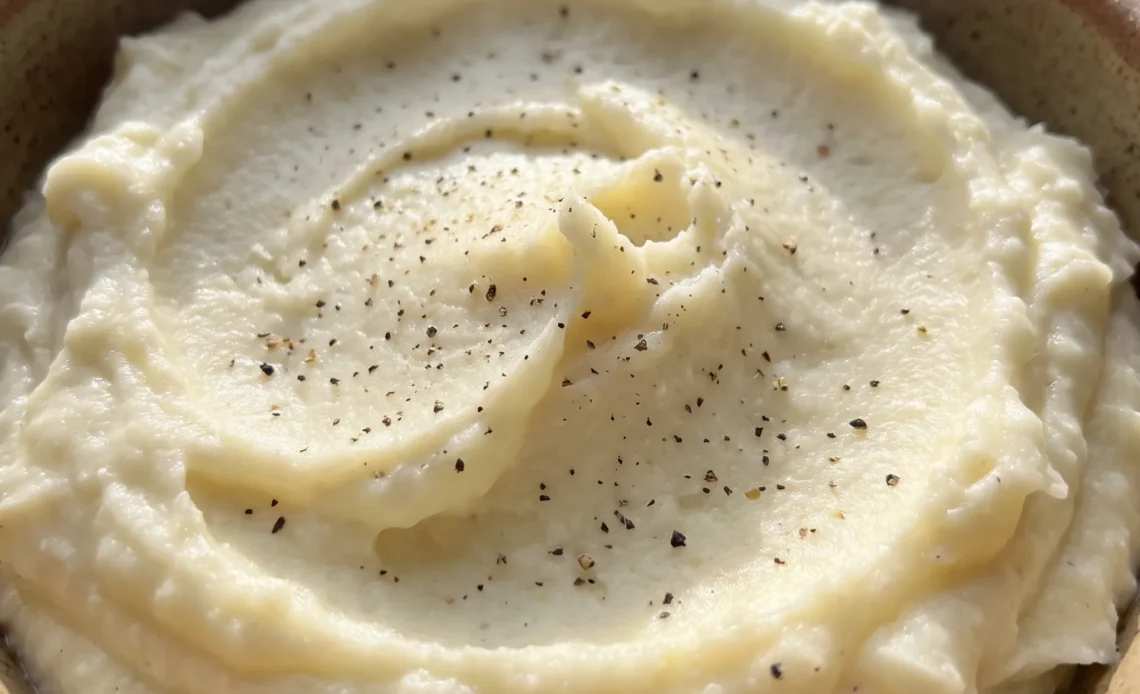
Mashed potatoes are one of the few dishes that punish you for making them ahead: chill them and the texture turns grainy, then the reheat dries the edges while the middle stays cold. The workaround here is fat and a slow cooker.
Cream cheese and sour cream shield the potatoes enough that a night in the fridge doesn’t ruin them, and the slow cooker brings the whole batch back without a hot spot scorching the bottom. That’s the real reason this works as make-ahead mashed potatoes, and it’s worth knowing before you commit a holiday batch to it. The margin for error is smaller than you’d think, though.
Most of the failures I hear about trace back to the mash itself, not the reheat, and one habit during mashing decides whether you get a creamy bowl or a stiff paste after chilling.
As you mash, the potatoes should feel light and fluffy, not dense or sticky; if the masher meets increasing resistance and the mixture starts to look like a paste, you are rupturing too many starch cells. Once the potatoes have turned gluey, no amount of additional dairy can fully reverse the texture, because the starch network has already set. The dairy trio must be added after the initial mash and while the potatoes are still hot, so the fat can coat the starch granules before they hydrate and swell excessively.
Why does cream cheese keep mashed potatoes from turning gluey?
Fat coats the starch granules in potatoes, and that coating limits how much they swell and rupture. When too many granules break open, the mash turns sticky and pasty. Cream cheese and sour cream bring both fat and a little acidity to the bowl, and that acidity reins in the swelling even more.
Milk alone is mostly water and a little protein; it can’t shield the starch the same way. With the trio in place, the potatoes hold a soft, spoonable texture, not a tight paste.
You can feel the difference when you stir: the mash moves easily and stays glossy instead of clumping into a dense mass. That stability matters for make-ahead because the potatoes sit for hours before serving.
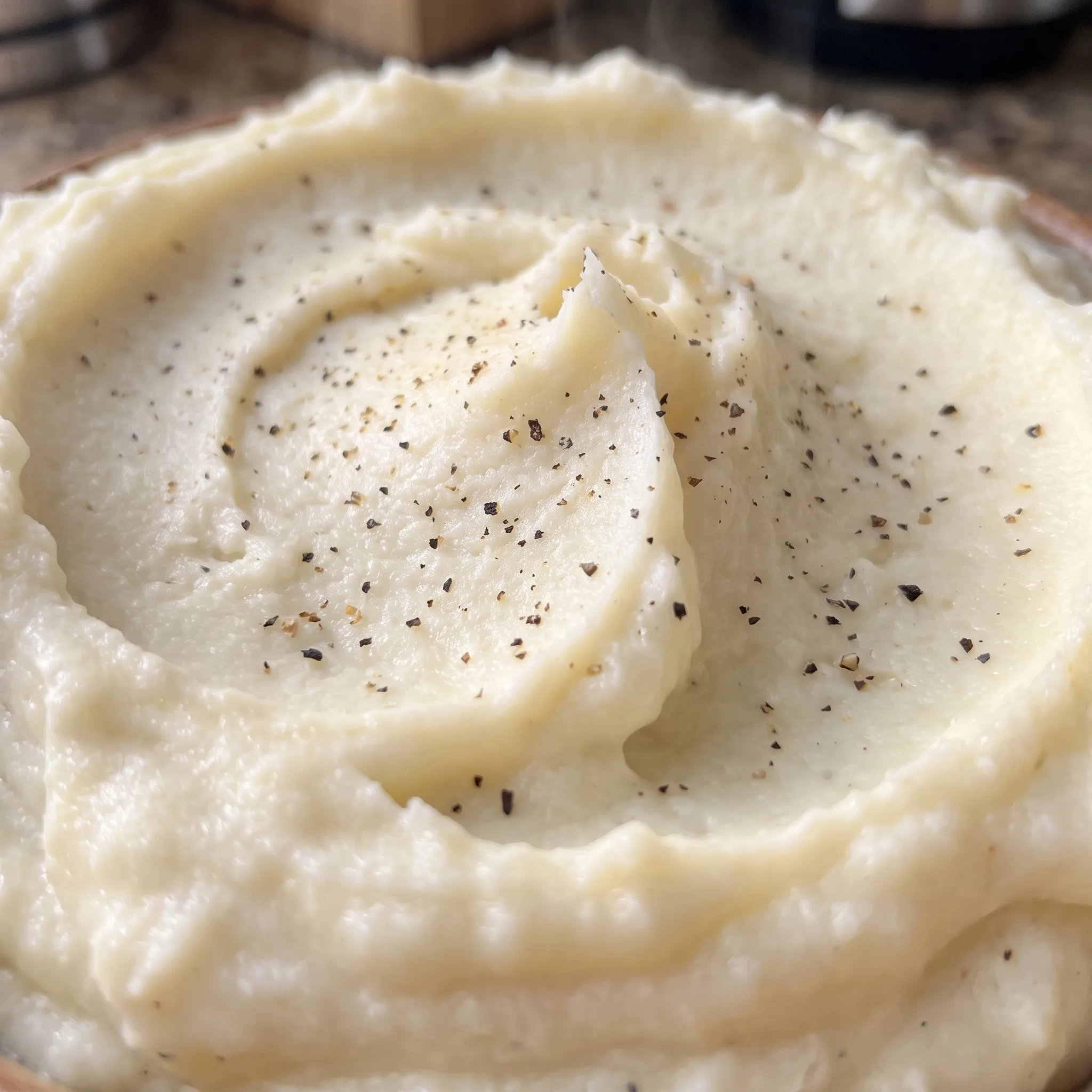
The fat keeps them from drying out and firming up in the refrigerator, so when they’re reheated they come back close to fresh. A finished bowl should look creamy and hold a soft mound on a spoon, not drip or stand stiff.
How a slow cooker reheats without drying out
A slow cooker surrounds the potatoes with gentle, even heat. No hot spot like a stovetop burner or a dry oven element, so nothing scorches on the bottom or crusts at the edges.
The lid traps steam inside, and that moisture keeps the surface from drying out as the potatoes warm through. You get a soft, steamy environment that brings the whole batch back to serving temperature at the same time. The two settings matter: High gets the potatoes up to heat, then Warm holds them there without pushing them further.
That means you can leave them for a while and they won’t overcook or turn watery. The result is a bowl that looks and tastes like it was just mashed, even after a day in the fridge.
When you lift the lid, you should see a little condensation on the inside and potatoes that stir back into a smooth, creamy mass with no dry patches.
Adding dairy after the first mash: does order matter?
Mashing the potatoes alone first breaks up the cooked chunks and releases their natural steam. You can work out the lumps while the potatoes are still hot and bare, before any fat gets in the way. If you add cold milk or sour cream at the start, the potatoes cool down quickly, and the starch firms up into little pebbles that are hard to smooth out later.
Warming the milk takes the chill off so it blends in without that seize. Once the potatoes are mostly smooth, fold in the sour cream and cream cheese.
They mix in evenly and give the mash a light, creamy body. Taste it now: you want to check the salt and pepper before the potatoes go into the fridge, because cold dulls the seasoning. A finished bowl should be smooth with no dry pockets, and it should taste well seasoned straight from the masher.
Make-ahead mashed potatoes that actually improve overnight
These potatoes are built to be made a day ahead. The fat from the cream cheese and sour cream protects them in the fridge, so they don’t dry out or separate the way plain mashed potatoes can. Cool them quickly after mashing, then pack them into an airtight container.
That keeps them from picking up other smells in the fridge and stops a skin from forming on top. The next day, the flavor is actually better.
The salt, pepper, and dairy have had time to spread evenly through the whole batch, so every spoonful tastes seasoned rather than flat. You might notice a little liquid on the surface when you take them out. That’s normal and stirs right back in.
When you’re ready to serve, they should look creamy and smell rich, with no sour or stale note. The texture after a night in the fridge stays soft and scoopable, not stiff or watery.
What actually matters in these potatoes
Potatoes: Pick a starchy baking type like russet or Yukon Gold, since waxy reds stay firm and mash into a slick, pasty bowl.
Cream cheese: Buy the full-fat brick, not the spreadable tub, because the tub version carries extra water that thins the mash.
Sour cream: Full-fat sour cream tastes cleaner here, while the light kind brings stabilizers and a thinner body that slackens the bowl.
Milk: Whole milk gives the mash enough body to stay soft after chilling, where skim reads watery once it hits the potatoes.
How to tell when the potatoes are ready to mash and when to stop
Judging tenderness before you drain
After 25 minutes, a knife should slide into a potato chunk with almost no resistance, and the chunk should crumble slightly when you lift it. If the knife meets a firm center, give it a few more minutes. Overcooked potatoes fall apart and take on water, which makes the mash slack and gluey.
Undercooked ones stay lumpy no matter how hard you mash. Check a thick piece, not a thin edge.
The moment the mash turns from lumpy to smooth
As you work the masher, the texture shifts from distinct chunks to a thick, even paste. Stop when you see no dry pockets and the mass moves together.
Pushing past that point with a masher or beater works the starch into a sticky, elastic paste that tightens as it cools. If it starts feeling gluey, stop and fold in the remaining dairy by hand.
Tasting before it goes into the fridge
Cold dulls salt and pepper, so season a little more aggressively than seems right at room temperature. The mash should taste clearly seasoned, not just faintly salty. If it tastes flat now, it will taste flat after reheating.
Add salt in small pinches, stir, and taste again. Pepper is easier to overdo, so go slow there.
Reading the surface after reheating
When you lift the lid after an hour on High, a little liquid on top is normal; stir it back in. What you don’t want is a pool of separated liquid or dry, crusty edges. If the potatoes look watery, they may have been overworked before chilling.
Stir gently and check the texture: it should be soft and scoopable, not stiff or runny.
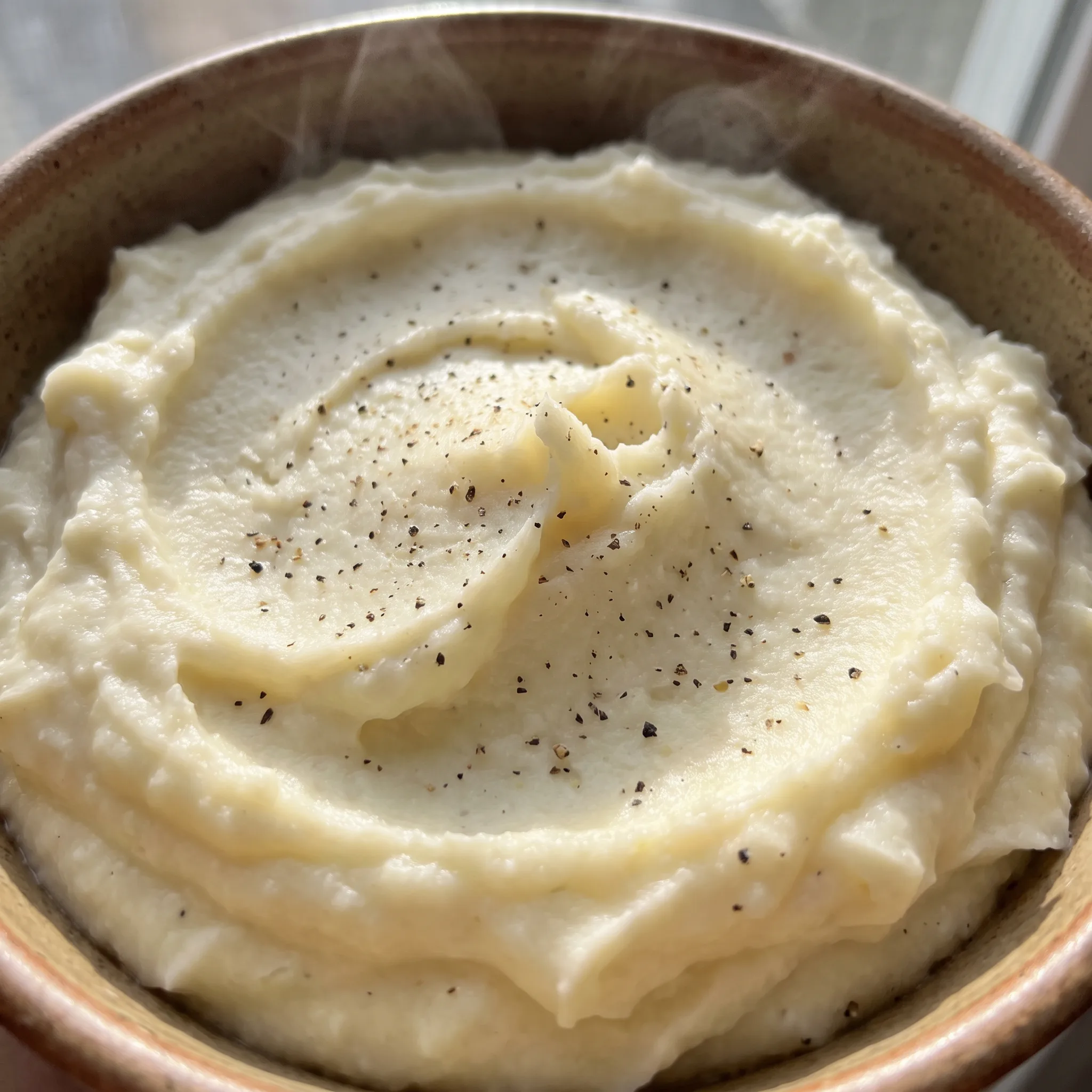
Make-Ahead Mashed Potatoes with Cream Cheese
Ingredients
Method
- In a large pot, bring water to a rolling boil.
- Remove skins from potatoes and quarter them.
- With a large slotted spoon, carefully slide the potatoes into the boiling water.
- Let potatoes cook for 25 minutes, or until they become tender.
- After draining the cooked potatoes, put them into a large bowl.
- Warm the milk in the microwave for 30 seconds.
- Introduce the warmed milk to the potatoes and mash using a potato masher.
- Add salt and pepper, then incorporate sour cream and cream cheese.
- Continue mashing until the mixture is smooth and creamy.
- Sample the taste and modify seasoning if necessary.
- Store the mashed potatoes in the refrigerator until you are ready to reheat.
- For reheating, place potatoes in a slow cooker set to High for 1 hour, then turn to Warm for serving.
What You Can Swap in These Potatoes Without Ruining the Make-Ahead Texture
cream cheese: full-fat brick cream cheese → reduced-fat or fat-free brick, same 8-ounce block. The lower-fat bricks carry more water and less fat, so the mash thins and the make-ahead stability weakens. You’ll notice a looser texture after chilling and a faster separation when reheated.
If you must use it, expect a softer set; stir gently after reheating and consider adding an extra tablespoon of full-fat sour cream to recover some body.
sour cream: full-fat sour cream → light or fat-free sour cream, same 8 ounces. Light and fat-free versions bring stabilizers and a thinner body.
The mash slackens and can turn watery in the slow cooker. The flavor also reads flatter. If you swap, start with the same 8 ounces, then after mixing, if the texture looks thin, fold in an extra ounce or two of full-fat cream cheese to tighten it back up.
milk: whole milk → 2%, 1%, skim, or unsweetened plain oat milk, same 1/2 cup. Whole milk gives the mash enough fat to stay soft after chilling.
Skim and low-fat milks are mostly water, so the potatoes can turn watery and separate in the fridge. Oat milk works if you use the plain, unsweetened kind, but it adds a faint oat taste and less richness.
Start with 1/2 cup, then add more only if the mash seems stiff after the first mix.
salt and pepper: adjust freely, no direct swap needed. These are the only seasonings you can change without hurting the make-ahead texture.
Add salt in small pinches and taste after each addition, since cold dulls salt. Pepper is easy to overdo, so go slow.
If you’re watching sodium, you can cut back, but the potatoes will taste flat after reheating; add a little extra salt just before serving if needed.
Storing and serving make-ahead mashed potatoes
Pack the cooled potatoes into an airtight container and refrigerate. They hold their best texture for two days; by day three the fat starts to loosen and a watery layer forms faster.
A quick stir fixes the surface liquid, so leftover portions stay scoopable for a few more days, though the seasoning fades and the mash thins out. Freeze only if you accept the change: cream cheese and sour cream survive freezing, but the potatoes come back grainy and watery.
Reheat frozen portions gently and stir hard, or skip freezing and eat the fresh batch. For serving, move the potatoes to the slow cooker on High one hour before the meal.
That hour is the window: any longer on High and the edges dry, any less and the center stays cool. Once they hit Warm, serve within two hours.
The one finishing move that matters is the stir when you lift the lid, folding the surface liquid back in so the texture evens out. Spoon them straight from Warm; a chilled scoop eaten cold tastes flat and dense.
Tips
- Split the dairy addition: stir in the warmed milk and mash, then add the salt and pepper, and only after that fold in the cream cheese and sour cream. Salting the bare mash lets the crystals dissolve into the potato before the fat coats the granules, so a given amount of salt reads stronger. If you salt after the dairy is fully in, you end up adding more to hit the same taste, and that extra salt is still there after chilling.
- Add the cream cheese in chunks while the potatoes are still steaming hot, and leave the sour cream until the mash has cooled for a few minutes. Cream cheese needs heat to spread through the bowl without leaving small lumps that survive mashing; sour cream brings live cultures and a tang that flattens when it hits near-boiling potato. The 8 ounces of sour cream go in once the bowl is warm rather than hot, which keeps the flavor bright and the texture even.

Frequently Asked Questions
Can I make these mashed potatoes a day ahead?
Yes, and the texture improves overnight. The fat from the cream cheese and sour cream coats the potatoes, so they don’t dry out in the fridge like plain mash. Cool them quickly, then pack them airtight.
The next day the seasoning has spread evenly and every spoonful tastes seasoned, not flat.
Why did my mashed potatoes turn gluey after reheating?
Gluey reheated potatoes usually mean the mash was overworked before it went into the fridge. When you push a masher or beater past smooth, the starch turns sticky and elastic, and chilling then reheating tightens that paste further. The fix is to stop mashing as soon as you see no dry pockets and the mass moves together.
If it already feels gluey, fold in the remaining dairy by hand instead of mashing more.
How do I keep mashed potatoes from drying out in the slow cooker?
Keep the lid on. The slow cooker traps steam inside, and that moisture is what stops the surface from crusting as the potatoes warm through. Every time you lift the lid, you let that steam escape and the edges dry faster.
Stir once when you’re ready to serve, folding the surface liquid back in, then leave it alone.
Can I reheat these mashed potatoes on the stovetop instead of a slow cooker?
You can, but you’ll need to watch them closely. A stovetop burner creates a hot spot that can scorch the bottom or crust the edges while the center is still cool.
If you go that route, use low heat and stir often, adding a splash of milk if the mash looks stiff. The slow cooker is gentler because it surrounds the whole batch with even heat and traps steam, so nothing dries out.
How are make-ahead mashed potatoes different from regular mashed potatoes?
The difference is the fat. Cream cheese and sour cream bring enough fat to shield the starch, so the potatoes hold a soft, spoonable texture after chilling instead of firming up or separating. Regular mashed potatoes, often just milk and butter, turn watery and grainy in the fridge.
These also taste better the next day because the salt and pepper have had time to spread through the whole batch.
