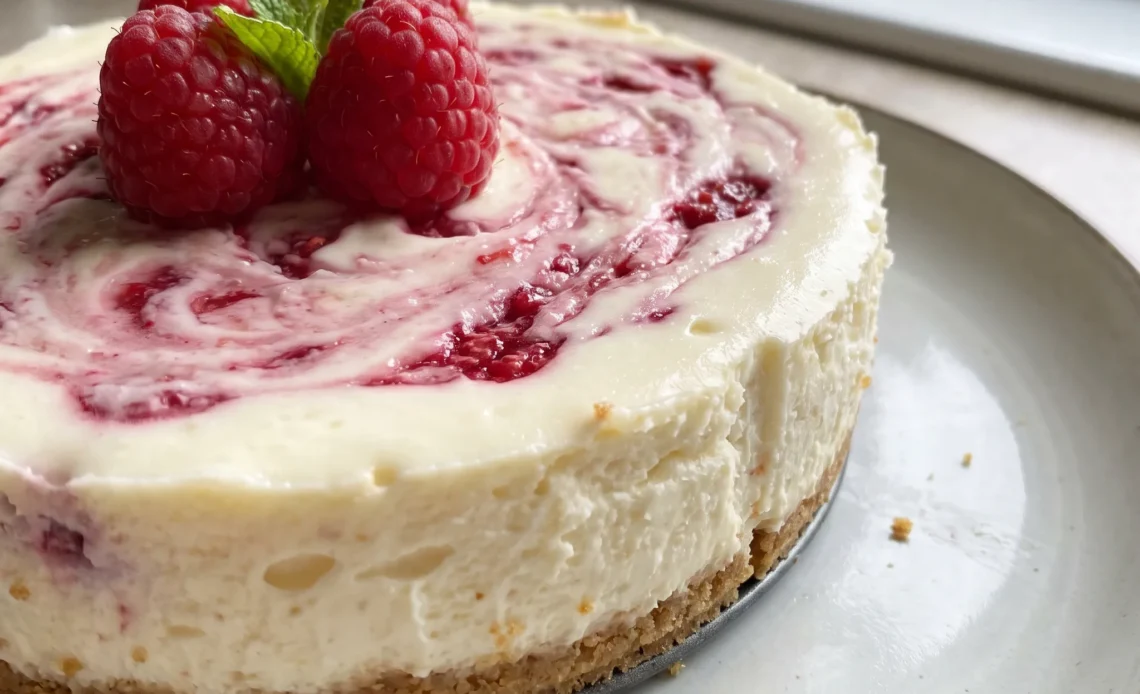
Four hours in the fridge is the real work here, and it’s what separates a raspberry mini cheesecake that lifts clean from the tin and one that slumps into a puddle on the plate. The crust is where most batches go wrong. Press it too lightly and the base crumbles when you unmold; press too hard and the butter squeezes out and turns the whole thing greasy.
You’re looking for that sweet spot where the crumbs hold like a cookie. Individual portions in a muffin tin mean every cup sets at the same rate, so there’s no guessing whether the center is done. The raspberries do the rest, bleeding into the white filling as you fold them, so each one comes out marbled differently.
Make them ahead, leave the fruit off until serving, and you’ve got a cool dessert that never saw the oven.
The filling’s structure depends on the cream cheese firming up and the whipped cream’s air bubbles stabilizing under cold temperatures. Without a full 4-hour chill, the mixture remains too soft to hold its shape, so the cheesecakes will slump or fall apart when lifted from the muffin tin.
Why This Cheesecake Stays Creamy, Not Baked
Heat would dull the fresh raspberry flavor and color, so this recipe skips the oven entirely. Instead, the filling sets through the chill. Cream cheese and whipped cream give structure without eggs, which means the texture stays soft and creamy rather than dense and custardy.
The four-hour chill in the refrigerator is not optional; it allows the cream cheese to firm up and the whipped cream to stabilize, so each mini cheesecake holds its shape when you lift it from the tin. During that time, the raspberry swirls also firm up, keeping their bright red streaks intact. When you bite into one, you get a cool, smooth bite with a burst of tart raspberry.
That’s the reward for letting the fridge do the work.
A Crust That Holds Together
Graham cracker crumbs, melted butter, and brown sugar come together into a mixture that looks like wet sand. That texture matters because it means the crumbs are evenly coated and will pack into a solid base.
Press it firmly into the muffin tin, and the crust becomes sturdy enough to support the filling without crumbling when you remove each cheesecake. Brown sugar adds a hint of molasses that complements the tangy cream cheese, while the butter binds everything and adds richness. If the crust is too dry, it won’t hold; too wet, and it turns greasy.
You want it to feel like damp beach sand that clumps when squeezed. Once pressed, a quick chill in the fridge sets the butter so the crust stays put.
The result is a crisp, buttery base that contrasts the creamy top.
Swirls of Raspberry, Bursts of Flavor
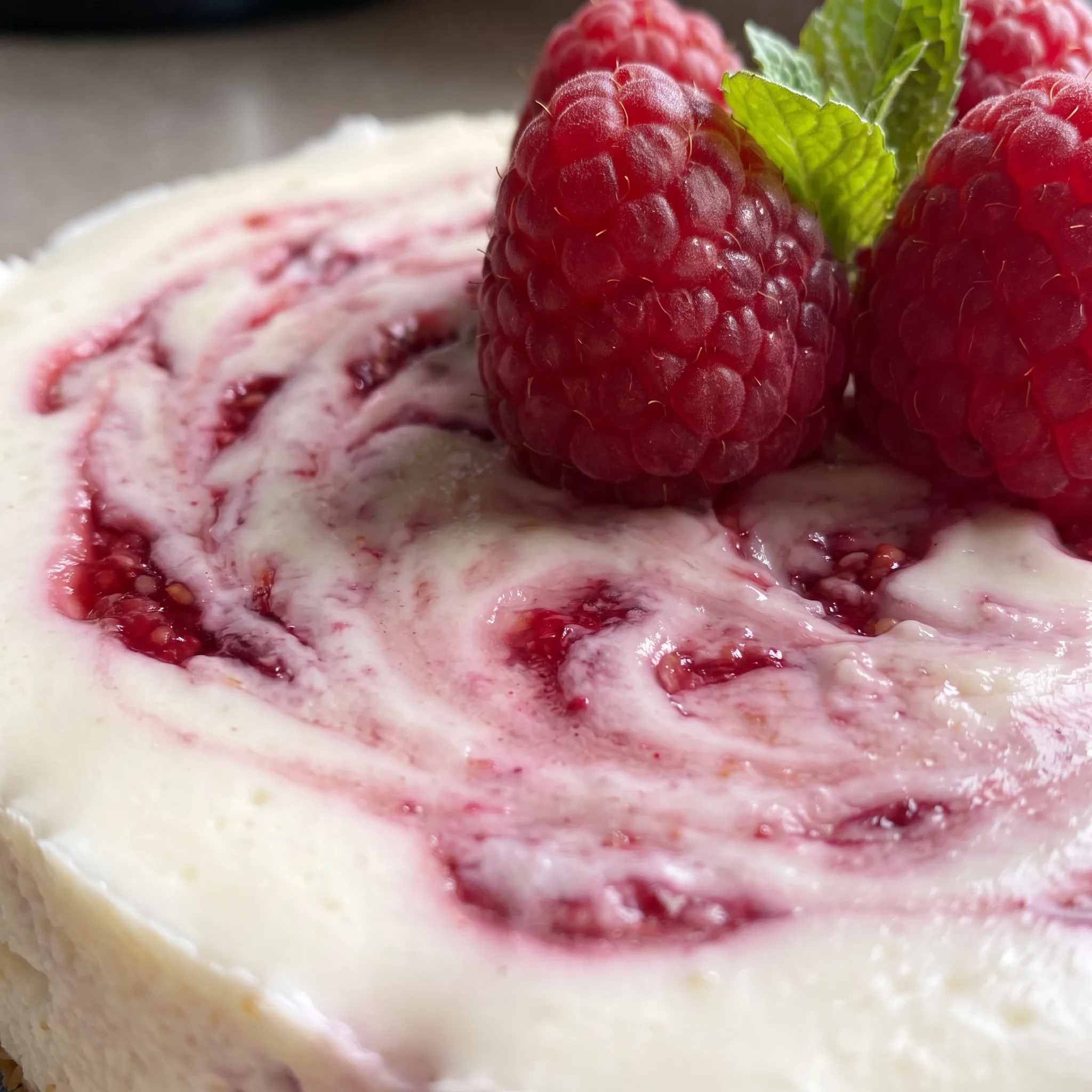
Folding whole raspberries into the filling creates pockets of fruit that bleed slightly, giving each cheesecake a marbled look. Some berries should crush a little under your spatula, releasing their juice to streak the white batter with pink.
But go gently: the whipped cream is full of air, and rough handling deflates it, leaving the filling dense. That airiness is what makes each bite feel light. Save some raspberries for topping; they add a fresh, tart pop that cuts through the richness.
When you fold, use a light hand and stop as soon as the berries are distributed. You’ll see swirls of red and whole berries suspended in the creamy base. After the chill, those swirls are frozen in place, and the reserved berries go on just before serving.
Getting the Cream Cheese Ratio Right
Full-fat cream cheese is important here. Its fat content is what allows the filling to set firmly in the fridge; lower-fat versions contain more water and won’t hold up, leaving you with a runny mess. Whipped cream lightens the batter, making it airy and mousse-like, but it also adds richness.
The balance is key: too much whipped cream and the filling won’t set; too little and it’s heavy. When beating the cream cheese, stop as soon as it’s smooth. Over-whipping incorporates air pockets that can cause the cheesecakes to collapse or crack.
You want a silky, even texture. After the four-hour chill, each mini cheesecake should be firm to the touch and hold its shape when lifted.
That’s your cue that the ratio is right.
What to Buy and Prep for Raspberry Minis
Cream cheese: Buy full-fat blocks, not spreadable tub cream cheese, and let them sit at room temperature until they give under gentle pressure.
Heavy cream: Choose a carton labeled heavy whipping cream with at least 36 percent butterfat, since lighter cream won’t whip to the volume this filling needs.
Raspberries: Pick berries that are dry, plump, and deeply colored, because wet or pale raspberries bleed too much juice and taste flat.
Graham cracker crumbs: Use fresh, crisp crumbs from whole crackers you pulse yourself, since stale or pre-ground crumbs taste dusty and pack unevenly.
Reading the Filling Before It Sets
When the cream cheese is smooth enough to stop
Lumps mean the cheese was still cold in the middle, and no amount of extra beating will fix them once the sugar goes in. Press a spatula against the side of the bowl: the surface should look like frosting, not cottage cheese.
If you keep beating past smooth, you knock air into the cream cheese, and those pockets turn into cracks or a collapsed center after the chill. Stop while it still looks dense and even.
Judging the fold, not the stir
The whipped cream is full of air, and the moment you switch from folding to stirring, you push that air out. Watch the batter: it should stay thick enough to mound on the spatula, not run off in a stream. Streaks of white disappearing are good; a batter that thins and looks soupy means you deflated it.
If that happens, the set will be softer, and the cheesecakes may not lift cleanly from the tin.
How much to crush the raspberries
You want some berries whole and some bleeding into the batter, so the swirls look deliberate. Press too hard and you turn the whole bowl pink and watery, which thins the filling.
Go berry by berry with the spatula: fold, don’t mash. The mixture should still hold its shape when you lift a spoonful.
If it’s already runny from too much juice, the set will be weak, and the crust may separate when you unmold.
Knowing when the crust is packed
Press until the crumbs stop moving under your fingers and the surface looks flat and matte. If it still feels loose or sandy, the base will crumble when you lift the cheesecake out. If you press too hard, the butter squeezes out and the crust turns greasy and hard.
The sweet spot is firm pressure with the back of a spoon: the crust holds together like a cookie, not like wet sand.
Reading the set after the chill
After at least four hours, press the center of one cheesecake with a fingertip. It should feel firm and spring back slightly, not tacky or wet.
If it still feels soft in the middle, the filling hasn’t set, and lifting it will leave half the base behind. Give it more time; the cold is what firms the cream cheese and stabilizes the whipped cream. Don’t rush this by moving to the freezer, which makes the texture icy.
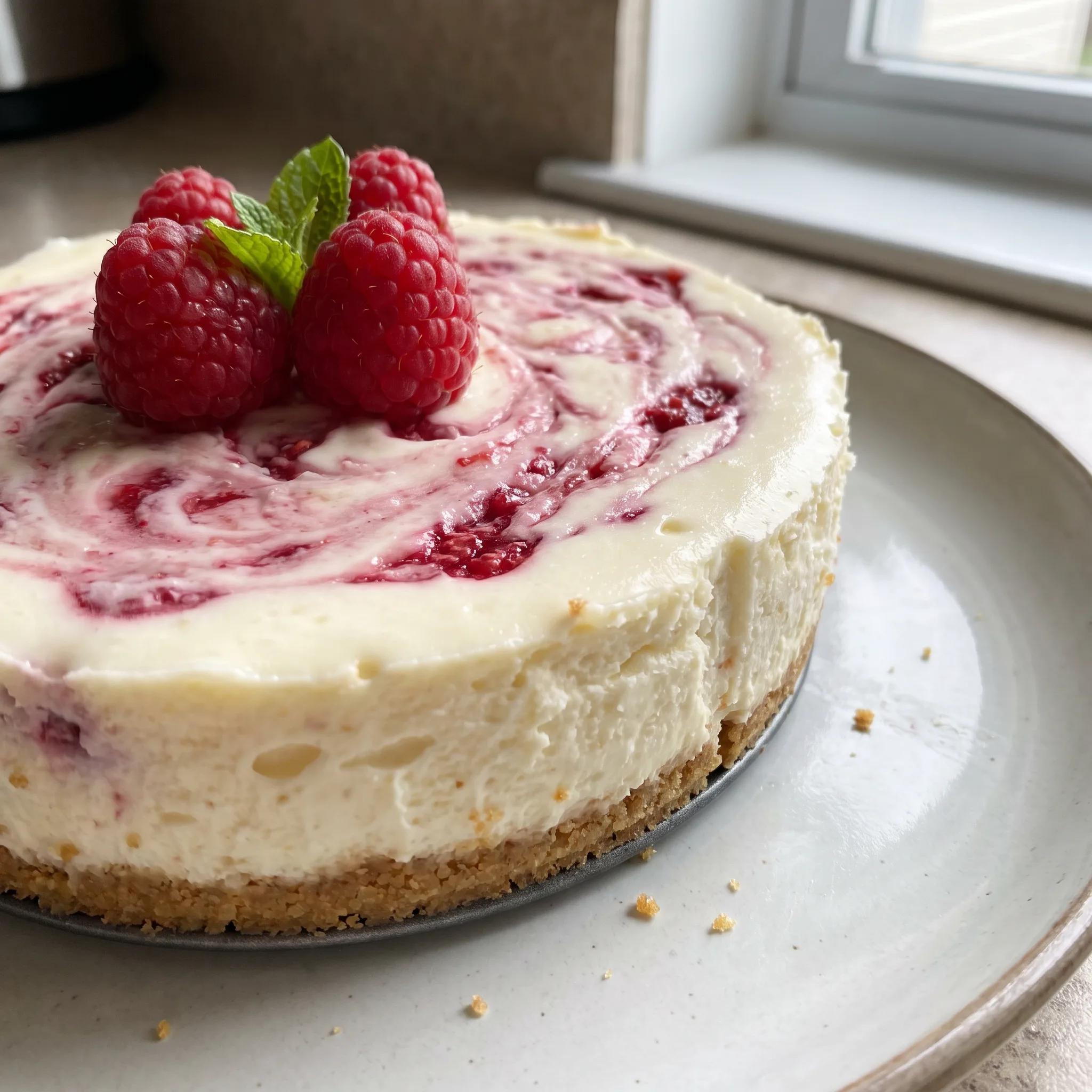
No-Bake Raspberry Mini Cheesecakes
Ingredients
Method
- Combine the graham cracker crumbs, melted butter, and brown sugar in a medium bowl, stirring until the mixture looks like wet sand. Firmly press this mixture into the bottom of a lined muffin tin, forming 12 individual crusts. Place in the refrigerator while you make the filling.
- In a large mixing bowl, beat the softened cream cheese until it is smooth and fluffy. Add the granulated sugar and vanilla extract, beating continuously until thoroughly combined. Stir in the lemon juice, then gently fold in the whipped heavy cream until no streaks remain.
- Carefully fold 1 cup of the fresh raspberries into the cream cheese mixture, letting some berries crush slightly to form colorful swirls. Set aside the remaining raspberries for topping.
- Divide the cheesecake mixture among the prepared crusts by spooning or piping, filling each cup nearly to the top. Use a spatula to level the surfaces. Cover loosely and refrigerate for at least 4 hours or overnight, until fully set.
- After the cheesecakes have set, carefully lift each one out of the muffin tin. Place fresh raspberries on top of each and add a small mint leaf as a garnish. Serve chilled to enjoy the best flavor and texture.
Storing and Serving Raspberry Mini Cheesecakes
Keep these covered in the refrigerator, and eat them within a day or two. That’s the window where the crust still has snap and the filling tastes clean and cold. Past that, the graham base pulls moisture from the filling and softens, and the exposed raspberries on top weep their juice down the sides.
The cheesecakes stay safe longer than they stay good, so judge by texture, not by the calendar. Store them in a single layer in an airtight container, or tent the muffin tin with foil once the cakes are fully set.
Don’t stack them; the tops bruise. Add the raspberries and mint only when you’re ready to serve, never before storing, because the fruit breaks down against the filling.
If you’re holding them overnight, leave the topping off and refrigerate the berries separately. To serve from the fridge, let each one sit at room temperature for five minutes so the cream cheese softens slightly.
Eat them cold, straight from the chill. The filling doesn’t refreeze well, so skip the freezer here.
When a Swap Still Sets and When It Won’t
Full-fat cream cheese: For dairy-free, use a firm block-style vegan cream cheese, not a soft tub spread. Start with the same 16 ounces the recipe calls for.
The filling will be looser because vegan cream cheese holds more water. You may need an extra hour of chilling, and the texture will be softer, closer to a mousse than a sliceable cheesecake.
Flavor is tangier, so taste the base before folding in the cream and add a spoonful more sugar if it bites.
Heavy cream, whipped: Don’t replace it with milk, half-and-half, or a plant-based creamer. If you need dairy-free, use chilled full-fat coconut cream, whipped to soft peaks, and fold it in the same way. Milk and half-and-half won’t whip, so the filling stays dense and may not set firm enough to unmold.
Coconut cream whips and adds richness, but it brings a faint coconut taste that competes with the raspberries. The set will be slightly softer, so plan on the full four hours or more.
Fresh raspberries: Frozen berries will bleed and water down the swirl. If you must, thaw them in a sieve, pat dry, and use half the amount called for in the filling.
Keep fresh berries for the top. Frozen berries release juice that turns the batter pink and thin.
The filling may not set as firmly, and the swirls will look muddy instead of distinct. The flavor also tastes flatter, more cooked, because freezing breaks down the fruit.
Graham cracker crumbs: For gluten-free, use the same weight of gluten-free graham-style crumbs or pulsed gluten-free digestive biscuits. Keep the butter and brown sugar the same. The crust will be a bit more crumbly and may not hold together as neatly when you lift the cheesecakes.
Press firmly and chill the crust well before filling. Flavor is very close, though some brands are sweeter, so you might cut the brown sugar by a tablespoon if you prefer a less sweet base.
Tips
- Run a thin offset spatula or a knife warmed under hot water and wiped dry around the inside edge of each cup before lifting. The crust pressed against the liner grips it, and a cold blade drags across the surface instead of cutting it free, which is what cracks the base off-center.
- If you used paper liners rather than a rigid tin, chill the whole tray for 10 minutes after the 4-hour set, then work one cup at a time and peel the liner down instead of pulling the cheesecake up. The crust releases from paper more cleanly when it is very cold, and the filling stays firm enough that the sides do not slump as the liner comes away.

Frequently Asked Questions
Can I make these raspberry mini cheesecakes ahead of time?
Yes, and they’re better that way. The filling needs at least 4 hours to firm up, so making them the night before is the natural rhythm here.
Leave the raspberries and mint off until you’re ready to serve, since the fruit breaks down against the filling once it sits. Hold them covered in the fridge in a single layer, not stacked, because the tops bruise.
Why are my mini cheesecakes not setting after 4 hours?
Start with the cream cheese: if it was still cold in the middle when you beat it, or if you used a lower-fat tub instead of a block, the filling carries extra water and stays loose. Second, check whether the whipped cream got stirred rather than folded.
If the batter thinned and ran off the spatula instead of mounding, you pushed the air out, and the set will be soft. Press a fingertip into the center of one: firm and springing back means it’s ready, tacky or wet means it needs more fridge time.
How do these no-bake raspberry mini cheesecakes differ from classic baked cheesecake?
The set comes from cold rather than heat. No eggs go in, so there’s nothing to cook into a custard, and the structure comes from full-fat cream cheese firmed up in the fridge plus whipped cream for lightness.
That gives you a soft, mousse-like bite instead of the dense, sliceable wedge a baked cheesecake has. Raspberry flavor stays bright and tart, because the berries never see heat.
