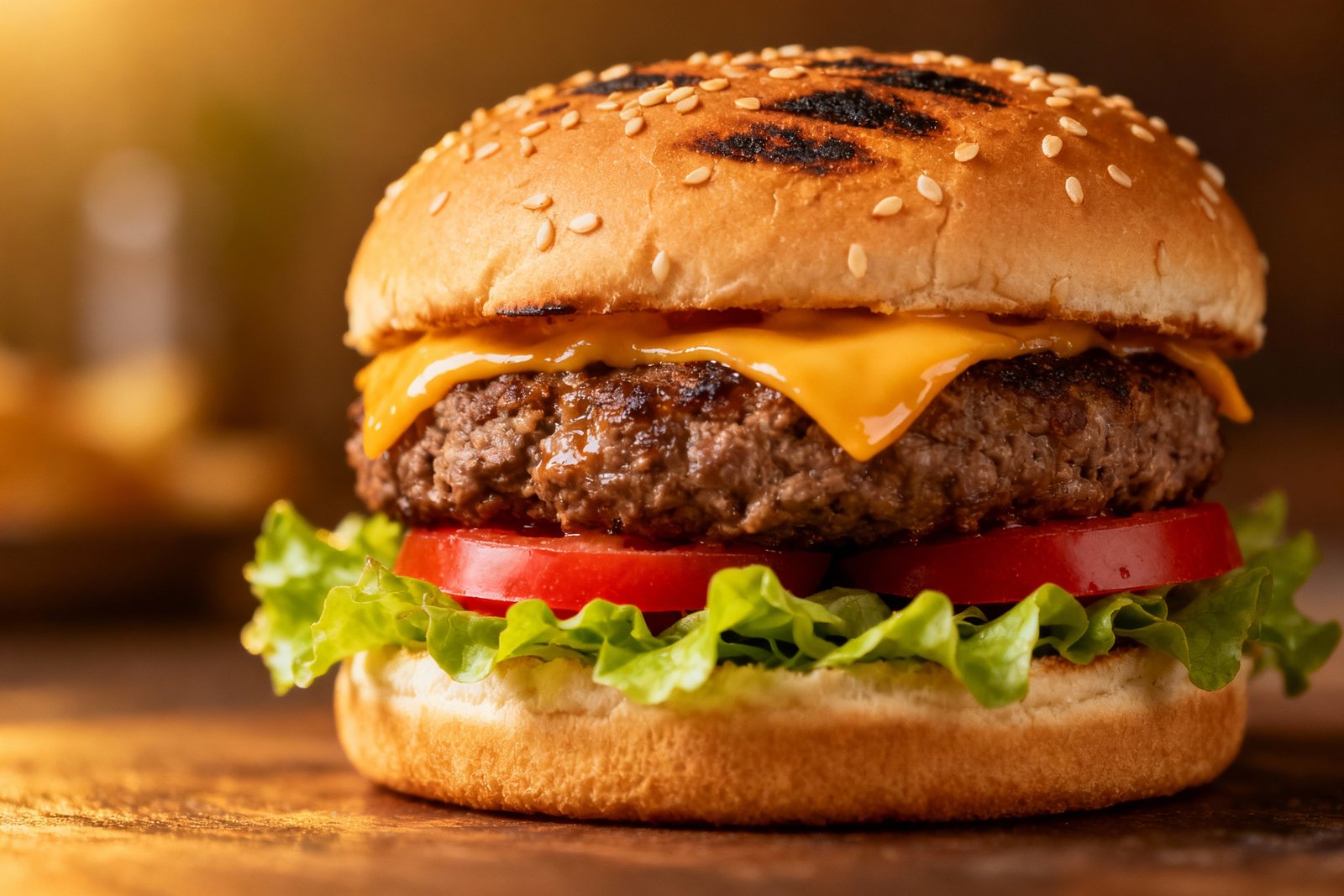
The hamburger doesn’t need a grand entrance—it shows up, steals the spotlight, and disappears in five minutes flat. Juicy, messy, customizable to the point of chaos, it’s the world’s most democratic meal. Fancy restaurant?
Dive bar? Backyard cookout where the grill refuses to light? The burger fits everywhere.
And yes, we’re talking all burgers here—beef, plant-based, smash, stuffed, you name it.
Why the Hamburger Works (Every Single Time)
We love burgers because they do three jobs at once: they deliver big flavor, they satisfy quickly, and they scale from $5 to “this costs how much?” menus. You get fat, acid, salt, and crunch in one handheld package. That balance triggers your brain’s “oh yes” button.
Plus, burgers give you control. You can swap buns, cheeses, sauces, and patties until your ideal combo clicks. Want jalapeños and blue cheese?
Go wild. Prefer a plain cheeseburger with ketchup only? Respect.
The burger doesn’t judge.
A Quick Bite of Burger History
The hamburger didn’t pop out of a fast-food bag. It evolved from minced meat traditions in Europe, which immigrants adapted in the U.S. The modern burger—ground beef patty in a bun—likely took off at fairs and lunch counters in the early 1900s.
Several towns claim the first real hamburger, of course. Do we care who actually did it? A little.
But IMO, the real magic started when soft buns met hot griddles and the crispy-edge patty became a thing.
Smash vs. Thick: The Eternal Debate
– Smash burgers win on crust. You press the patty hard onto a ripping-hot surface and get a lacy, caramelized edge. – Thick burgers win on juiciness.
You can hit a perfect medium-rare center—assuming you don’t treat it like a hockey puck. FYI: Neither is “better.” They’re just different ways to chase bliss.
The Anatomy of a Perfect Burger
A killer burger doesn’t happen by accident. It’s architecture.
When everything stacks right, each bite tastes balanced instead of like a slipping, soggy disaster.
The Patty
– Meat blend: 80/20 beef (80% lean, 20% fat) hits the sweet spot. Want extra richness? Try brisket or short rib blends. – Size: 3 to 4 ounces for smash; 5 to 6 ounces for thicker patties. – Seasoning: Salt and pepper only on the outside right before cooking.
Mix-ins can compact the meat and kill tenderness. – Handling: Don’t overwork the meat. Form gently. Your future self will thank you.
The Bun
– Choices: Potato rolls, brioche, sesame seed, or a sturdy but soft white bun. – Rule: Toast it.
The toasty layer protects against sogginess and adds a little crunch. – Size matters: The bun should match the patty—no meat marooned in a bread sea.
Cheese
– American cheese melts like a dream and brings salty creaminess. – Cheddar, Swiss, pepper jack, or blue cheese can add personality. – Pro tip: Double-cheese a smashburger. One slice under, one on top. It glues the toppings in place.
Toppings
– Fresh crunch: Lettuce, pickles, onions (raw or griddled). – Sauce: A mix of mayo + ketchup + pickle brine + hot sauce hits the “special sauce” vibe. – Keep it balanced: Rich cheese + fatty meat needs acidity: pickles, mustard, tomato, or even a tangy slaw.
How to Cook a Great Burger at Home
You don’t need a fancy setup.
You need heat, timing, and restraint. Here’s the no-drama playbook.
For Smash Burgers
1. Preheat a cast-iron skillet or griddle until it almost smokes. 2.
Place a loose ball of beef (3-4 oz) on the surface, season the top generously. 3. Smash hard with a spatula (use parchment between meat and spatula to prevent sticking). 4. Cook 60-90 seconds until the edges crisp.
Flip, add cheese, cook another 45-60 seconds. 5. Build fast and eat even faster.
For Thicker Burgers
1. Form patties gently, slightly wider than the bun.
Press a shallow dimple in the center. 2. Season generously on both sides. 3. Cook over medium-high heat: 3-4 minutes per side for medium, depending on thickness. 4.
Add cheese in the last minute. Let it rest 2 minutes to keep the juices inside. Yes, patience.
Grill vs.
Skillet
– Grill: Adds smoky flavor and grill marks. Great for backyard vibes. – Skillet: Delivers superior crust and control. Less flare-up, more flavor-lock.
Beyond Beef: Delicious Alternatives
You can still eat like a burger lover without beef.
Shocking, I know.
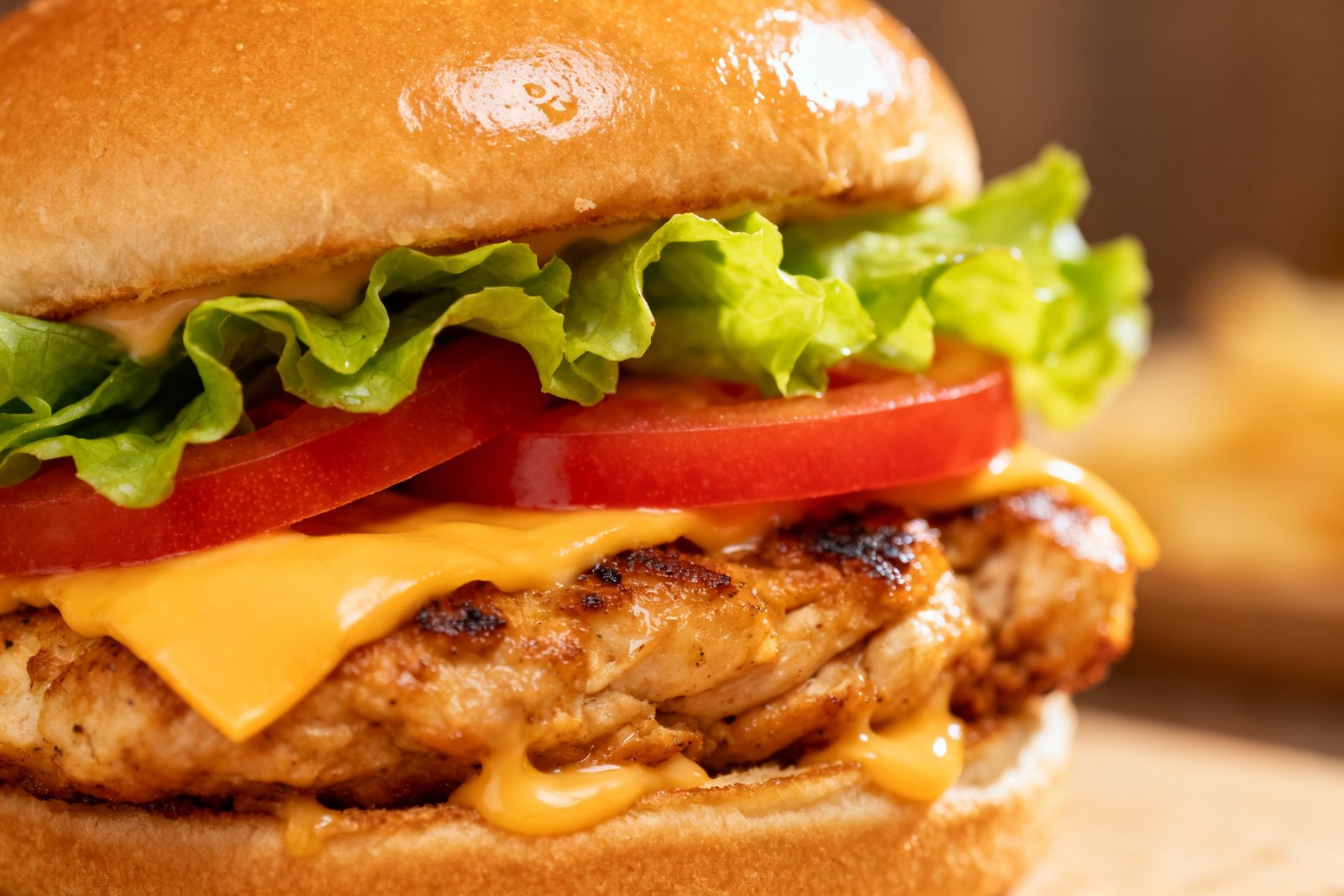
Turkey and Chicken
– Use dark meat or add fat (olive oil, a little mayo) for moisture. – Season aggressively. Poultry needs help to shine.
Plant-Based
– Modern patties (pea or soy-based) nail the texture game. – Bean or veggie patties can taste awesome—just don’t expect beef. Lean into their identity with bold spices and crunchy toppings.
Fish Burgers
– Salmon burgers love dill, lemon, and a garlicky yogurt sauce. – Keep the patty cold and handle gently to avoid crumbling.
Regional Styles Worth Hunting Down
America turned the burger into its playground.
You can eat your way across the map. – Oklahoma onion burger: Thin patty smashed with a mound of onions. Sweet, steamy, ridiculously good. – Juicy Lucy (Minnesota): Cheese stuffed inside the patty. Warning: molten lava center.
Proceed carefully. – California-style: Smashed patties, thousand-island-ish sauce, shredded lettuce, pickles. Clean, crisp, iconic. – Green chile burger (New Mexico): Roasted hatch chiles bring smoke and heat. Add queso and ascend. – Patty melt: Rye bread, Swiss, griddled onions.
Technically a sandwich, spiritually a burger.
Burger Fixes: Common Mistakes and Easy Wins
– Overworking the meat: Makes it dense. Handle lightly. – Undersalting: Burgers love salt. Don’t be shy. – Soggy bottom bun: Toast your bun and layer smart—put pickles between cheese and bun, not directly onto the bread. – Toppings chaos: Choose a theme.
You don’t need every condiment in the fridge. – Dry turkey: Mix in a spoon of mayo or grated onion. Trust me.
Pro-Level Upgrades
– Butter baste: For thicker patties, toss in butter, garlic, and thyme, and spoon over in the last minute. – Double grind or fresh grind: Better texture and flavor. – Onions two ways: Raw for bite, caramelized for sweetness. Use both and flex.
FAQ
How do I keep burgers from puffing up in the middle?
Make a shallow thumbprint in the center before cooking.
The dimple helps the patty cook evenly and prevents the dreaded beef balloon.
What’s the safest way to cook ground beef?
Cook store-bought ground beef to 160°F internally. If you grind at home from a single cut or trust your butcher, you can aim for medium—but safety first, IMO.
How do I get cheese to melt properly?
Add cheese right after flipping. For maximum melt, cover the pan for 20-30 seconds or add a teaspoon of water to create steam and dome it.
What sauces pair best with burgers?
A classic combo—mayo, ketchup, mustard—never fails.
For extra zing, add pickle brine, hot sauce, or sriracha mayo. Blue cheese + buffalo sauce also slaps.
How do I reheat a burger without ruining it?
Separate the patty and bun. Reheat the patty in a hot skillet with a splash of water and a lid for 1-2 minutes.
Re-toast the bun. Rebuild and pretend it’s fresh.
Can I freeze patties?
Absolutely. Freeze formed patties on a sheet tray, then bag them with parchment between each.
Cook from frozen—just add a couple extra minutes per side.
Conclusion
Burgers work because they’re simple, customizable, and flat-out satisfying. You control the fat, the sear, the stack, and the sauce, so your perfect bite is only a skillet away. Whether you smash it, stuff it, or crown it with green chiles, chase balance and don’t overthink it.
Then take a bite and try not to brag—only a little, IMO.

Leave a Reply